New Patient Offer - Exam, X-Ray & Teeth Cleaning in Just $69


Invisalign vs. Traditional Braces: Clinical Comparison of Results

by Dr. Sahota
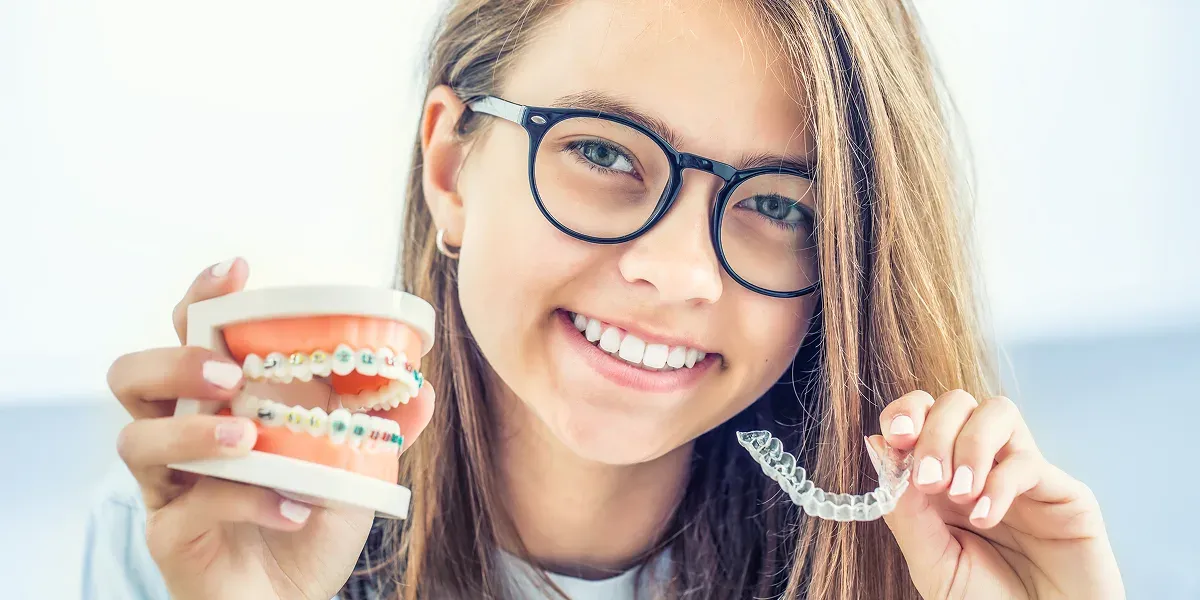
When it comes to straightening teeth, two of the most common options are Invisalign and traditional braces. Invisalign in Livermore uses a series of clear, removable aligners that gradually shift teeth into their desired positions, while traditional braces use metal brackets and wires to apply controlled pressure over time. Both approaches are proven and effective, but they differ in how they work, how they fit into daily life, and which types of orthodontic concerns they can address.
If you're trying to decide between Invisalign and traditional braces, you're not alone. At One Dental Livermore, we frequently receive questions about which treatment may be the better fit for a patient's smile. That's why we're diving into a clinical comparison of Invisalign and traditional braces options to break down how they work, how long treatment may take, and how they can help you achieve a straighter smile.
Ready to see how clear aligners stack up against metal braces? Let's break it down.
What This Clinical Comparison Covers
Choosing between Invisalign and traditional braces isn't always simple, especially when you're trying to figure out what really makes a difference in the results. That's why we're focusing on a clear clinical comparison of both treatments. This includes how effective they are at moving teeth, how long they typically take, how comfortable they feel day to day, and which types of cases they work best for. We'll also discuss what we've seen firsthand at our clinic, giving you a real-world perspective on how clear aligners and metal braces compare when it comes to teeth straightening.
Effectiveness – Do They Deliver the Same Results?
Let's start with the most important question: Do Invisalign and traditional braces work the same way? In short, yes and no.
Both treatments are highly effective for teeth straightening, but they approach the issue differently. Traditional braces utilize fixed metal brackets and wires to gradually shift your teeth into their proper position. They're incredibly precise and give your orthodontist full control over the movement of each tooth. This makes them ideal for more complex cases such as severe crowding, rotated teeth, or significant bite issues.
Invisalign, on the other hand, uses a series of custom-made, clear aligners that gently guide your teeth over time. They're just as effective in mild to moderate cases, especially when the aligners are worn as directed (usually 20 to 22 hours a day). Thanks to smart design and advances in aligner technology, Invisalign has made significant strides in treating more complex issues. However, there are still cases where metal braces are the better and faster option.
When it comes to effectiveness, both options deliver remarkable results; however, the best choice depends on the complexity of your case and your commitment to wearing the aligners consistently.
Results and Predictability – How Consistent Are the Outcomes?
When comparing Invisalign and traditional braces, predictability is an important part of evaluating treatment results. Traditional braces use fixed brackets and wires that continuously apply controlled pressure, allowing your dentist or orthodontist to adjust tooth movement throughout treatment. Invisalign uses digitally planned tooth movements and a series of custom-made aligners, but achieving the planned results depends heavily on wearing the aligners as directed, typically 20 to 22 hours a day. The complexity of the case and how consistently the treatment plan is followed can also influence the final outcome.
Understanding how accurate Invisalign results can be requires looking at more than the technology itself. Proper treatment planning, consistent aligner wear, regular checkups, and the types of tooth movements required can all affect how closely the final results follow the original plan. For a closer look at Invisalign treatment accuracy and predictability, read our guide on how accurate Invisalign results can be.
Treatment Time – Which One Works Faster?
One of the biggest questions patients ask is, "How long will it take to straighten my teeth?" The answer depends on your specific case, but there are some general differences between Invisalign and traditional braces regarding treatment time.
Traditional braces are typically worn for 18 to 24 months, although the duration may be longer if the case is more complex. Because they're fixed in place, they work around the clock without relying on patient compliance. This can be a significant advantage for younger patients or those who may forget to wear their aligners consistently.
Invisalign can take approximately 12 to 18 months to correct mild to moderate alignment issues. However, the success and speed of the treatment rely heavily on wearing the aligners as directed, usually 20 to 22 hours a day. If you're unable to commit to wearing them consistently, your treatment may take longer than expected.
Comfort and Aesthetics – Daily Life with Braces or Aligners
When it comes to daily comfort and appearance, there are some noticeable differences between clear aligners and metal braces. Traditional braces use metal brackets and wires that are fixed to your teeth. They're reliable and effective, but they can cause some irritation to the cheeks or gums, especially right after adjustments. They're also very visible, which can be a concern for teens and adults who prefer a more discreet option.
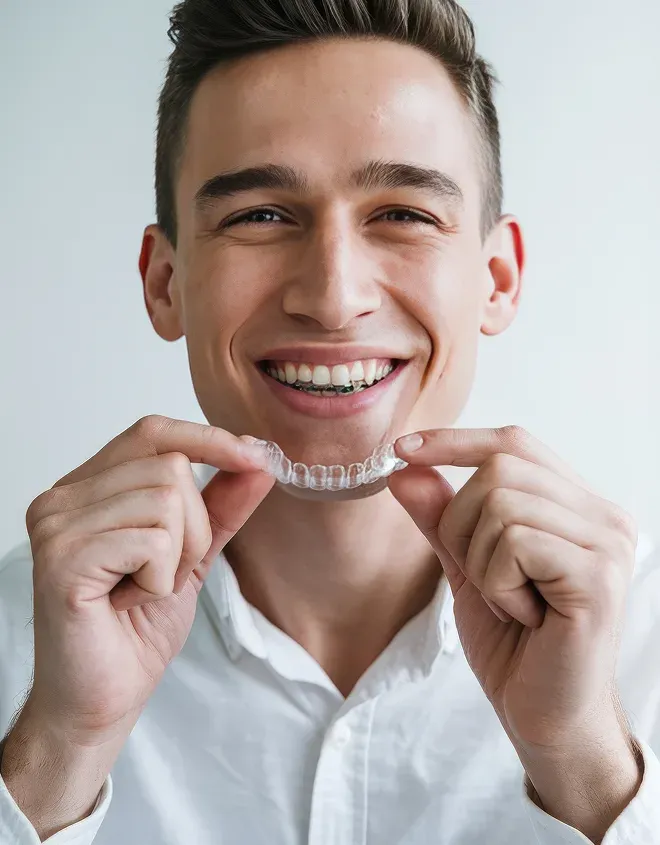
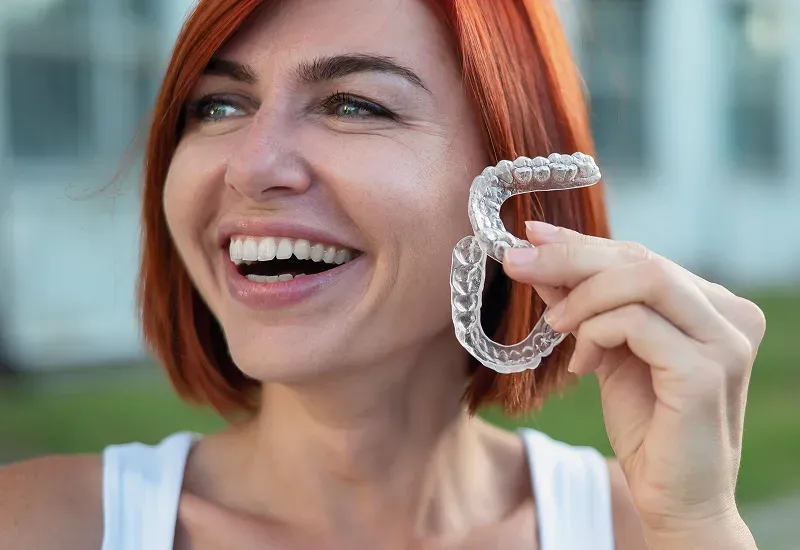
Invisalign aligners are smooth, custom-fitted trays made from clear plastic. Most patients find them more comfortable since they do not have sharp edges or wires. The significant advantage is that they're virtually invisible, making them a popular choice for those who want a subtle way to straighten their teeth. Since clear aligners are removable, eating and brushing also feel more natural. No need to avoid certain foods or navigate around brackets.
Both Invisalign and traditional braces have their pros and cons when it comes to comfort and lifestyle. If appearance and flexibility are high on your list, Invisalign might be the better fit. If you don't mind a more noticeable look and want something that doesn't rely on daily discipline, metal braces are still a solid choice.
Invisalign vs. Traditional Braces: At-a-Glance Comparison
Both braces and clear aligners can be effective orthodontic treatments, but they differ in areas such as removability, hygiene, comfort, treatment scope, and the level of patient responsibility involved. The American Association of Orthodontists notes that the appropriate option depends on the individual’s orthodontic needs, treatment goals, and lifestyle.
| Factor | Invisalign | Traditional Braces |
|---|---|---|
| Suitability | Suitable for many mild to moderate alignment and bite concerns; some complex cases may also be treated. | Suitable for a wide range of alignment and bite concerns, including many complex cases. |
| Removability | Removable for eating, brushing, and flossing; must be worn as directed. | Fixed to the teeth throughout treatment. |
| Cleaning | Remove aligners to brush and floss normally; aligners also require regular cleaning. | Requires careful brushing and flossing around brackets and wires. |
| Appointments | Regular checkups help monitor progress and treatment. | Regular appointments are needed to monitor progress and make adjustments. |
| Comfort | Smooth aligners may feel more comfortable and are less likely to irritate the cheeks and gums. | Brackets and wires may cause temporary irritation, particularly after adjustments. |
| Treatment Control | Follows a digitally planned sequence and depends on consistent aligner wear. | Fixed brackets and wires provide continuous guidance and allow adjustments throughout treatment. |
Who's a Better Candidate for Each?
Not every orthodontic case is the same, which is why the right treatment often depends on the unique needs of your smile. Traditional braces are usually the go-to for more complex alignment issues. They're especially effective for patients with significant crowding, severe bite problems, or teeth that need to be rotated or moved vertically. Because metal braces offer full control over each tooth's movement, they give your dentist more flexibility when fine-tuning results.
Invisalign is an excellent option for patients with mild to moderate spacing, crowding, or bite alignment issues. It's also ideal for individuals who are committed to wearing their aligners consistently and prefer a more discreet treatment option. Clear aligners work best when worn exactly as instructed, making them a better fit for adults or responsible teens who are motivated to follow the plan.
The best way to know which one is right for you is through a professional evaluation. At One Dental Livermore, we take a close look at your teeth, your lifestyle, and your goals before recommending the most effective path to a straighter smile, whether that's with traditional braces or Invisalign.
FAQ
Still have a Question? Contact Us
Invisalign can be highly effective for many mild to moderate cases, while traditional braces may offer greater control for complex alignment and bite issues.
Invisalign may take approximately 12 to 18 months for mild to moderate alignment issues, though treatment time varies based on individual needs and compliance.
Yes. Invisalign aligners typically need to be worn 20 to 22 hours daily to support planned tooth movement and keep treatment progressing as expected.
Invisalign aligners are generally smoother and may feel more comfortable, while traditional braces can temporarily irritate the cheeks or gums after adjustments.
Invisalign may suit patients with mild to moderate spacing, crowding, or bite concerns who can consistently wear their aligners as directed.
Conclusion
Invisalign and traditional braces both deliver great results, but the right choice depends on your individual case, lifestyle, and the level of hands-on involvement you prefer. Clear aligners are discreet and flexible, while metal braces are better for complex corrections.
Contact your dentist in Livermore, Dr. Sahota, at One Dental Livermore, to learn more about Invisalign vs. Traditional Braces and Clinical Comparison of Results.
Resource:
Can Invisalign Fix Your Dental Issues? Common Problems That Invisalign Can Treat
Share This:
Disclaimer
This media/content or any other on this website does not prescribe, recommend, or prevent any treatment or procedure. Therefore, we highly recommend that you get the advice of a qualified dentist or other medical practitioners regarding your specific dental condition.
Discover the difference of personalized care that prioritizes your health and well-being at

Working Hours
Monday: 8:30AM - 5:30PM | Tuesday: 8:30AM - 5:30PM Wednesday: 7:40AM - 4:30PM | Thursday: 8:30AM - 5:30PM Friday: 8:30AM - 5:00PM


