New Patient Offer - Exam, X-Ray & Teeth Cleaning in Just $69


How Accurate Are Invisalign Results? A Look at Predictability and Precision

Dr. Sahota
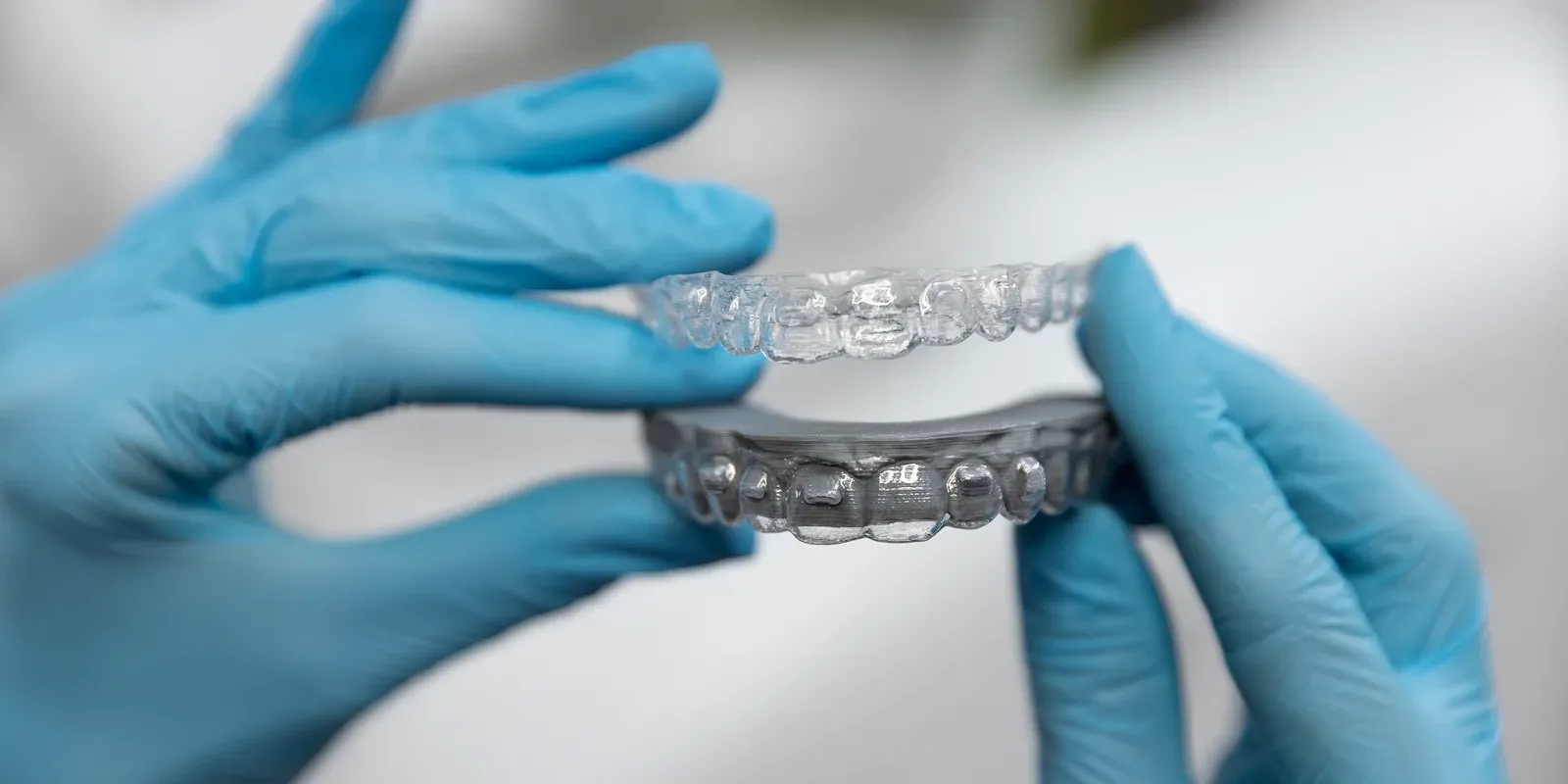
With digital dentistry rapidly evolving, Invisalign has gained significant popularity as a modern solution for straightening teeth. Its promise lies in delivering not just aesthetic improvements but also predictable outcomes. Patients often ask: How accurate are Invisalign results? Can the treatment truly deliver on its claims of high precision and effectiveness?
This article explores the science behind Invisalign accuracy, focusing on the role of 3D imaging, aligner fit, and treatment planning in achieving successful results.
Invisalign’s Promise of Predictable and Precise Results
Invisalign has transformed orthodontic treatment by replacing metal brackets with clear aligners that gradually shift teeth into alignment. Unlike traditional braces, Invisalign relies on a fully digital process to map out the treatment journey from start to finish. Are you wondering if you are a good candidate for Invisalign?
Here’s what Invisalign typically promises:
- Enhanced visual treatment plans using ClinCheck technology
- Comfortable, removable aligners made from SmartTrack material
- Digitally planned tooth movements for better predictability
- Improved aesthetics due to nearly invisible aligners
At the center of this promise is Invisalign precision, the ability to accurately follow the digital plan created by your dentist.
How 3D Imaging and Digital Treatment Planning Drive Accuracy
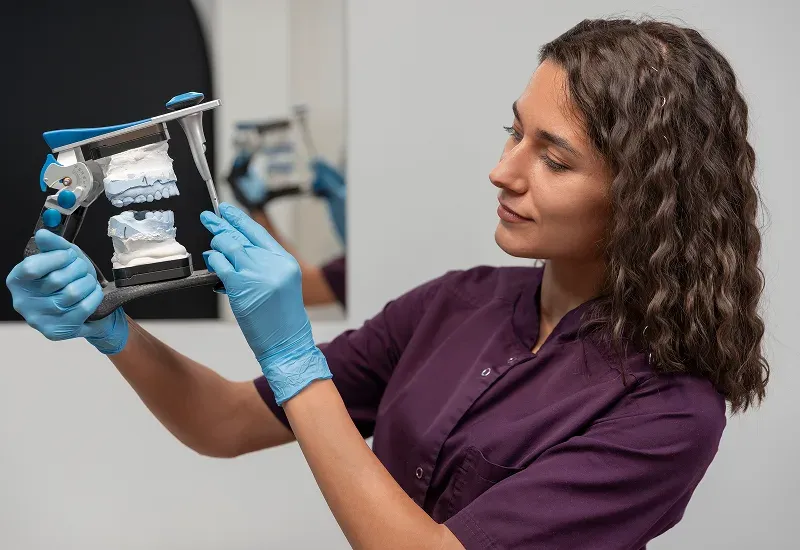
Invisalign begins with a digital scan of the patient’s mouth using 3D imaging technology. These scans are far more detailed and reliable than traditional molds. Once captured, the data is used to create a personalized treatment plan with exact tooth movement stages.
Through treatment planning:
- Each aligner is custom-made to move specific teeth at specific times.
- The entire sequence is digitally previewed before the first aligner is worn.
- Adjustments can be made based on how your teeth respond to each aligner.
This high level of customization is what contributes to improved Invisalign accuracy. It minimizes guesswork and ensures your aligners are crafted based on actual dental structure and movement behavior.
What Impacts the Accuracy of Invisalign Results?
Even with advanced tools, Invisalign outcomes depend on multiple factors. Understanding these can help patients take control of their own treatment success.
Key factors that affect Invisalign precision include:
- Case Complexity: Simple cases of crowding or spacing tend to achieve results very close to the predicted outcomes. More complex bite issues may require refinements or additional trays.
- Patient Compliance: Wearing aligners for the recommended 20 to 22 hours a day is critical. Skipping or inconsistently wearing trays reduces tooth movement predictability.
- Aligner Fit: Aligners must fit snugly against teeth to apply proper pressure. Poor aligner fit can hinder expected movement and delay progress.
- Attachments and IPR: Small tooth-colored attachments can enhance movement by giving aligners a better grip. Interproximal reduction (IPR), or slight enamel reshaping, can also help align teeth more efficiently.
- Expertise: Choosing a certified Invisalign provider who has handled similar cases increases the chances of successful results. Their understanding of movement patterns and treatment adjustments is key.
By addressing each of these areas, patients and dentists can work together to maximize Invisalign accuracy and ensure the best possible outcome.
Invisalign Results vs. Real-World Outcomes
Recent clinical studies provide a clearer picture of how accurate Invisalign results truly are. Research suggests Invisalign can be effective for many mild to moderate orthodontic cases, especially those that do not require tooth extraction. Results for more complex cases depend on the movements needed, and the final tooth positions may differ from the digital treatment plan, which is considered very high in the field of orthodontics.
These studies highlight that:
- Clear aligners are most effective in cases involving crowding, spacing, and mild bite misalignments.
- Tooth movement predictability improves when treatment plans include attachments, patient compliance, and mid-treatment refinements.
- Results may vary slightly based on how your teeth biologically respond to pressure from aligners.
While Invisalign doesn’t guarantee a 100% match to the simulation in every case, the digital process greatly improves predictability compared to traditional, less adaptive methods.
How Smart Materials and AI Boost Invisalign Precision
Invisalign’s use of SmartTrack material plays a critical role in achieving better aligner fit and consistent force delivery. This flexible plastic is engineered to gently guide teeth into the planned positions without discomfort or misalignment.
Recent updates to Invisalign’s ClinCheck platform have integrated artificial intelligence, giving dental professionals powerful tools to enhance treatment planning. AI enables real-time adjustments to aligner plans, allowing dentists to respond more quickly and precisely to a patient’s progress. By analyzing historical treatment data from thousands of cases, the system helps improve accuracy and predictability for new patients.
As AI and machine learning continue to evolve, so does the reliability of Invisalign precision. Patients can now expect more accurate simulations, fewer refinements, and shorter treatment times — especially when following guidelines closely.
Why DIY Clear Aligners Fall Short Compared to Invisalign
The growing trend of mail-order or DIY clear aligners may seem appealing due to their lower cost and convenience. However, these options often compromise accuracy and safety—two factors that are essential for successful orthodontic outcomes. While marketed as quick fixes, they lack the clinical foundation that professional systems like Invisalign are built on.
Here’s why DIY aligners often underdeliver:
No In-Person 3D Imaging or Clinical Evaluation:
Without a comprehensive in-person exam or 3D scan, critical issues such as jaw alignment, bite irregularities, or underlying dental conditions may go undetected. These overlooked factors can directly affect treatment success.Generic Treatment Plans Without Professional Oversight:
DIY systems typically use templated treatment plans without the supervision of an experienced orthodontist or dentist. This lack of clinical guidance makes it difficult to adapt the plan if your teeth don't respond as expected.Fitting Aligners Due to Limited Customization:
Poorly fitted aligners are more than just uncomfortable—they can lead to ineffective tooth movement or even damage. Unlike Invisalign, which uses precise digital mapping to create aligners tailored to your teeth, DIY systems rely on self-made impressions that may lack accuracy.Higher Risk of Complications:
Without regular check-ins, patients are more likely to experience unintended tooth shifting, bite problems, gum recession, or even tooth loosening. These complications may require costly correction later on.
Why Invisalign Makes a Difference
Invisalign offers a safe, precise alternative to DIY aligners through advanced 3D imaging, professional treatment planning, and regular in-person check-ins. Each aligner is custom-made using SmartTrack® material for a better fit and more controlled tooth movement. With expert oversight throughout your treatment, Invisalign ensures effective results and minimizes the risk of complications.
Limitations and Misconceptions About Invisalign
While Invisalign is known for delivering high-quality results, there are a few limitations that patients should understand before starting treatment. Misunderstanding these can lead to unrealistic expectations.
Common limitations include:
- Invisalign may not be ideal for extremely complex bite corrections or rotated canines.
- Some tooth movements are less predictable, especially in older patients with dense bone structure.
- Results can deviate if aligners are not worn as prescribed or skipped entirely.
Another common misconception is that clear aligners like Invisalign are entirely self-managed. While convenience is a big selling point, orthodontic supervision and ongoing adjustments are still crucial to maintain Invisalign precision and ensure treatment doesn’t go off-track.
Tips to Improve Your Invisalign Results
To get the most out of your treatment and match the simulated plan as closely as possible, follow these best practices:
- Wear aligners 20–22 hours a day, even during travel or busy days.
- Always switch trays on time as directed by your provider.
- Use chewies to ensure a proper aligner fit after inserting new trays.
- Clean aligners properly to avoid warping or material degradation.
- Don’t skip in-person or virtual checkups — refinements may be needed.
Consistency, combined with the precision of the 3D imaging and treatment planning, is the secret behind better Invisalign accuracy.
FAQ
An Invisalign preview shows the tooth movements planned for your treatment, not a guaranteed picture of your final smile. Actual movement can vary by tooth and by the type of correction needed. Your dentist can compare your progress with the plan and adjust treatment if necessary. Research has found that some planned movements are less predictable than others.
Not always. The simulation is a planning tool, and your teeth may respond differently from the digital prediction. If some teeth do not reach their planned positions, your dentist may recommend additional aligners to fine-tune the result.
It may, depending on the bite problem and the tooth movements required. More complex cases can need additional treatment steps or refinement aligners. An in-person examination is the best way to find out whether Invisalign or another orthodontic approach fits your needs
Yes. Aligners need consistent wear to apply the planned pressure to your teeth. Invisalign generally recommends 20 to 22 hours per day. Wearing them less often may affect how closely your teeth follow the treatment plan; follow the schedule your dentist gives you
A dentist can examine your teeth and bite, discuss the changes you want, and explain which movements Invisalign would need to make. If you are considering treatment in Livermore, ask to review your proposed plan and what might require refinements before deciding.
Final Thoughts
Invisalign results depend on careful treatment planning, well-fitted aligners, and consistent wear. The digital preview helps show how your teeth are expected to move, but the final result may differ from the original plan. From the initial scan to progress checks and possible refinements, the Invisalign treatment process gives your dentist opportunities to assess your progress and adjust the plan to suit your needs.
Contact your dentist in Livermore today, Dr. Sahota, at One Dental Livermore, to learn more about How Accurate Are Invisalign Results? A Look at Predictability and Precision.
Resource:
Invisalign vs. Traditional Braces: Clinical Comparison of Results
Share This:
Disclaimer
This media/content or any other on this website does not prescribe, recommend, or prevent any treatment or procedure. Therefore, we highly recommend that you get the advice of a qualified dentist or other medical practitioners regarding your specific dental condition.
Discover the difference of personalized care that prioritizes your health and well-being at

Working Hours
Monday: 8:30AM - 5:30PM | Tuesday: 8:30AM - 5:30PM Wednesday: 7:40AM - 4:30PM | Thursday: 8:30AM - 5:30PM Friday: 8:30AM - 5:00PM


