New Patient Offer - Exam, X-Ray & Teeth Cleaning in Just $69


Dental Implants vs Dentures: Key Differences Explained

Dr. Sahota
When several teeth are missing, two of the most common replacement options patients hear about are dental implants and dentures. Both can restore the appearance of a smile. Both can help improve chewing and speaking compared with leaving teeth missing. However, they work in very different ways, and those differences can affect comfort, stability, maintenance, and long-term oral health.
The better option depends on your mouth, bone support, gum health, lifestyle, treatment goals, and personal comfort preferences. Some patients want a removable solution that replaces many teeth. Others want something more secure that feels closer to natural teeth. This guide explains the key differences between dental implants and dentures so you can have a more informed conversation with your dentist.
Understanding Dentures
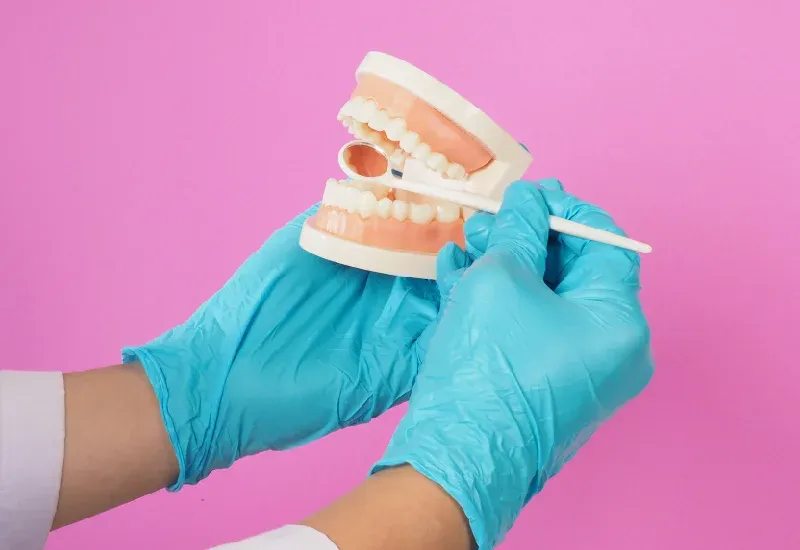
Dentures are removable appliances designed to replace missing teeth and surrounding gum tissue. A complete denture replaces all teeth in the upper or lower arch, while a partial denture replaces some missing teeth when natural teeth remain. Dentures are custom-made to fit the mouth and can improve smile appearance, speech, and chewing ability.
Traditional dentures rest on the gums and may rely on suction, fit, or adhesive for support. They do not connect to the jawbone like implants. Because of this, some patients may notice movement while eating or speaking, especially if the denture fit changes over time. Dentures can still be a practical option, especially for patients who want a non-surgical replacement or are not ready for implant treatment.
Understanding Dental Implants
Dental implants are small posts placed into the jawbone to act like artificial tooth roots. After healing, they can support crowns, bridges, or implant-supported dentures. Because implants are anchored in bone, they are designed to provide strong support for chewing and speaking. They also help replace the missing root structure, which is one reason they are often discussed as a modern solution for missing teeth.
Dental Implants in Livermore can be used for one missing tooth, several missing teeth, or a full arch depending on the patient’s needs. For full-mouth replacement, implants may support a fixed bridge or an implant-supported denture. These options can provide more stability than traditional removable dentures because the restoration connects to implants instead of only resting on the gums.
When Dentures May Be Better
Dentures may be a better option for patients who want a removable, non-surgical way to replace missing teeth. They can be useful when many teeth are missing, when treatment needs to move forward without surgery, or when a patient is not currently a candidate for implants. Dentures can restore the appearance of a complete smile and may improve basic chewing and speaking compared with having no teeth.
Dentures may be considered when:
- A patient prefers a removable tooth replacement
- Surgery is not preferred or not recommended
- Several or all teeth need replacement
- Jawbone support is limited for implant placement
- A faster tooth replacement option is needed
The main tradeoff is stability. Traditional dentures may shift during meals or conversations, especially if the jawbone and gums change over time. This is why some patients later ask about implant-supported dentures for better support.
When Dental Implants May Be Better
Livermore Dental implants may be the better choice for patients who want a more secure and natural-feeling tooth replacement. Since implants are placed in the jawbone, they can provide strong support for chewing and help reduce slipping or movement. This can make everyday activities like eating, laughing, and speaking feel more comfortable.
Implants may be especially helpful when patients want:
- A stable replacement that does not move like removable dentures
- Better chewing strength for a wider range of foods
- A solution that supports the jawbone area after tooth loss
- A restoration that feels closer to natural teeth
- Long-term support for crowns, bridges, or full-arch restorations
However, implants are not right for everyone automatically. A Livermore dentist needs to check gum health, bone support, bite pressure, and overall health before recommending treatment. Patients with bone loss may still have options, but they may need additional evaluation before implant placement.
“A dental implant replaces a single tooth without sacrificing the health of neighboring teeth.”
All-on-4 vs Traditional Dentures
When comparing All-on-4 vs traditional dentures, the main difference is how the replacement teeth are supported. Traditional dentures are removable appliances that rest on the gums and can replace a full arch of missing teeth. All-on-4 uses four strategically placed dental implants to support a fixed full-arch restoration. Because the restoration is anchored to implants rather than resting entirely on the gums, it can provide greater stability during everyday activities such as eating and speaking for patients who are appropriate candidates.
The treatment process, maintenance, and candidacy also differ. Traditional dentures can often be completed without implant surgery and may be suitable for patients who prefer a removable solution. All-on-4 involves implant placement and a treatment process that may include healing and restorative stages, but it offers a fixed full-arch approach. The right choice depends on factors such as jawbone condition, gum health, overall oral health, treatment goals, and personal preferences. A dental consultation can help determine which full-arch replacement options are appropriate for your needs.
Another option is an implant-supported overdenture, which remains removable but attaches to dental implants for additional retention and support. Compared with traditional dentures that rest directly on the gums, implant-supported overdentures may help reduce movement and improve stability during eating and speaking. Your dentist can discuss whether this option or a fixed full-arch restoration is appropriate based on your oral health and treatment needs.
How They Compare: A Side By Side View
| Consideration | Dental Implants | Dentures |
| Stability | Anchored in the jawbone for stable support. | Rest on the gums and may shift over time. |
| Cleaning | Brush, floss, and clean around implant areas. | Remove and clean daily; soaking may be recommended. |
| Treatment Time | Usually longer due to placement and healing. | Generally shorter, depending on the type. |
| Bone Needs | Requires sufficient bone for implant placement. | Does not require implant placement. |
| Repairs | Implant restorations may need maintenance or repair. | May need adjustments, relining, or replacement. |
| Who it may suit | Patients seeking a stable, fixed replacement. | Patients preferring a removable replacement. |
| Comfort | Implant restorations may need maintenance or repair | May need adjustments, relining, or replacement |
FAQ
Still have a Question? Contact Us
Dental implants may offer better stability and chewing support, but dentures may suit patients wanting removable, non-surgical treatment.
Dentures can restore appearance and basic function, but they may not feel as stable as natural teeth or implants.
Yes. Implant-supported dentures attach to implants for improved stability compared with traditional removable dentures.
Yes. Dentures are usually completed sooner, while implants require placement, healing, and final restoration.
Dental implants can help stimulate the jawbone because they replace the missing tooth root structure.
Patients who struggle with loose dentures or want stronger support may ask their dentist about implant-supported options.
Conclusion
Dental implants and dentures can both replace missing teeth, but each option takes a different approach to restoring your smile and oral function. Dentures are removable, non-surgical, and typically require less treatment time, while dental implants are secured within the jawbone to provide a more stable foundation for replacement teeth. Implants may also offer advantages for chewing function and help support the jawbone after tooth loss. For those exploring dental implants in Livermore, the right choice will depend on factors such as gum health, available bone, the number of missing teeth, comfort preferences, lifestyle, and long-term treatment goals.
Contact your dentist in Livermore, Dr. Sahota, at One Dental Livermore today to learn more about Dental Implants vs Dentures: Key Differences Explained.
Resource
Share This:
Disclaimer
This media/content or any other on this website does not prescribe, recommend, or prevent any treatment or procedure. Therefore, we highly recommend that you get the advice of a qualified dentist or other medical practitioners regarding your specific dental condition.
Discover the difference of personalized care that prioritizes your health and well-being at

Working Hours
Monday: 8:30AM - 5:30PM | Tuesday: 8:30AM - 5:30PM Wednesday: 7:40AM - 4:30PM | Thursday: 8:30AM - 5:30PM Friday: 8:30AM - 5:00PM


