New Patient Offer - Exam, X-Ray & Teeth Cleaning in Just $69


Temporary vs Permanent Crowns: What Patients Should Know

by Dr. Sahota
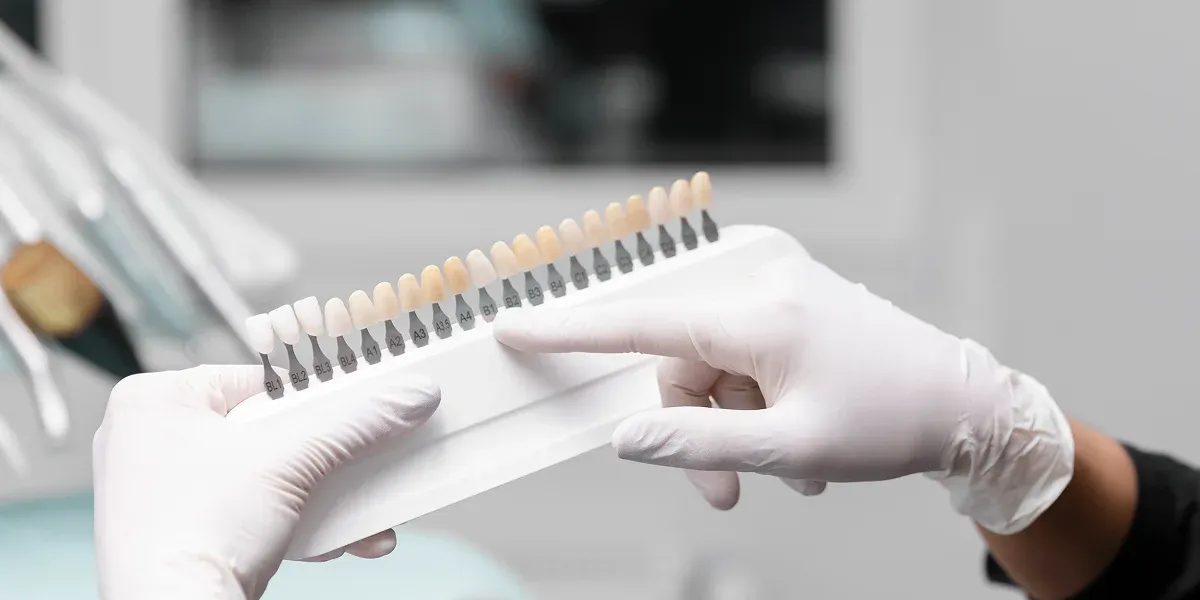
Dental crowns are a key part of tooth restoration, used to protect and strengthen teeth that have been damaged or treated for decay, cracks, or other issues. Dental crowns in Livermore can help restore the tooth's function and appearance while providing added protection. Patients researching ADA information about dental crowns can also learn more about how crowns are used to restore and protect damaged teeth. However, before a permanent crown is placed, patients often receive a dental crown temporary as a short-term solution. Understanding the difference between temporary and permanent crowns helps patients know what to expect during treatment, how to care for each type, and what role they play in long-term oral health.

What Are Temporary Crowns?
A temporary crown or provisional crown is a short-term covering placed on a tooth after it has been shaped for a permanent restoration. It protects the prepared tooth while the custom crown is being fabricated in a dental lab. This temporary dental solution is essential because the natural tooth structure beneath the crown remains vulnerable until the final restoration is ready.
These crowns are usually made of acrylic or composite resin and attached using temporary cement. Since the bond is not as strong as that of a permanent restoration, temporary crowns are designed for easy removal when it is time to fit the permanent one.
Patients often ask, how long do temporary crowns last? Typically, a temporary crown can remain in place for one to three weeks, depending on the treatment plan and the time it takes for the lab to create the permanent crown. However, it should not be worn longer than necessary, as the material can wear down quickly or loosen with chewing.
Patients often ask, how long do temporary crowns last? Typically, a temporary crown can remain in place for one to three weeks, depending on the treatment plan and the time it takes for the lab to create the permanent crown.
However, it should not be worn longer than necessary, as the material can wear down quickly or loosen with chewing.If the temporary crown falls out, it is important to contact the dentist office immediately. Without protection, the exposed tooth can become sensitive, shift in position, or even sustain damage before the permanent crown is placed.
What Are Permanent Crowns?
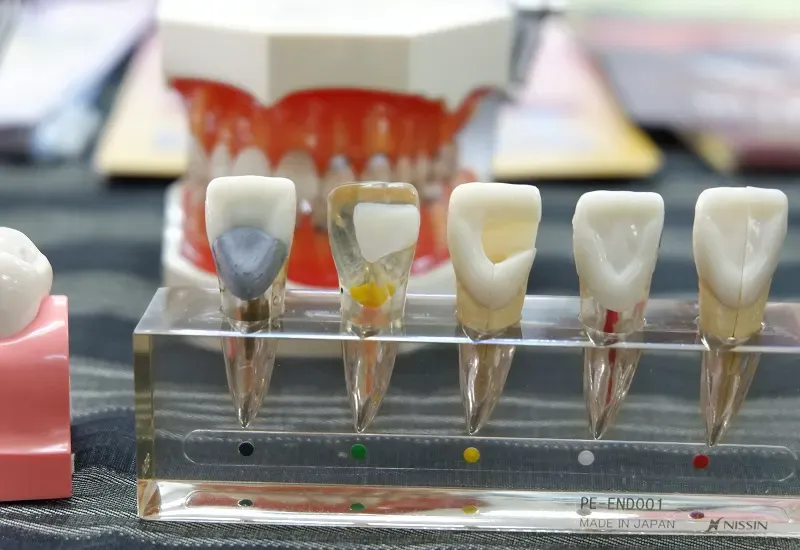
Once the custom crown is ready, it replaces the temporary one through a permanent crown procedure. Permanent crowns are made from durable materials such as porcelain, metal, or ceramic, and they are secured using permanent cement.
The main goal of a permanent crown is tooth restoration that looks and functions like a natural tooth. It seals the tooth from bacteria, restores strength, and improves appearance. A properly fitted permanent crown can last for many years when maintained with good oral hygiene and regular dental checkups.
Patients often ask, when will I get my permanent crown? Generally, the final restoration is ready within two to three weeks after the initial visit. During the crown fitting, the dentist ensures proper alignment, bite, and color match before cementing it in place permanently.
Difference Between Temporary and Permanent Crowns
Understanding the temporary vs permanent crowns distinction is essential for patients undergoing dental treatment. While both serve similar purposes — covering and protecting the tooth they differ significantly in material, durability, bonding method, and longevity.
A temporary crown is intended as a short-term solution. It serves as a placeholder, ensuring comfort and function while waiting for the permanent version. The materials used are lighter and more flexible, which allows the crown to be easily removed without harming the tooth.
A permanent restoration, on the other hand, is designed for long-term function. It is built from materials that resist wear, discoloration, and cracking. The bond created with permanent cement is strong enough to withstand daily chewing and protect the tooth for years.
Patients often wonder, how long can I keep a temporary crown? While it can last a few weeks, it is not meant for extended use. Keeping it on for too long can lead to complications such as sensitivity, gum irritation, or crown loosening.
During the crown replacement stage, the temporary crown is removed carefully, and the permanent one is placed and adjusted for proper bite and comfort.
How Long Do Temporary Crowns Last and Why They Matter
The question, how long do temporary crowns last, depends on factors like the type of cement used, chewing habits, and overall care. In general, they last until the permanent crown procedure is completed, typically within a few weeks.
Temporary crowns are vital for maintaining tooth structure and preventing discomfort between appointments. They protect the exposed dentin, keep the tooth in position, and allow the patient to eat and speak normally. Without a provisional crown, the tooth could become more sensitive or shift, making it harder for the permanent crown to fit correctly later.
Even though a temporary crown is not as durable as a permanent one, it plays an essential role in the success of the final restoration.
Caring for a Temporary Crown
Proper temporary crown care is important to prevent discomfort or damage before receiving the permanent restoration. Since the temporary cement used is weaker, the crown can come loose if exposed to too much pressure. Patients should avoid hard, sticky, or chewy foods that could dislodge the crown.
If the temporary crown falls out, it should be replaced by a dentist as soon as possible to protect the tooth. Brushing and flossing should be done gently around the temporary crown to prevent lifting it off.
Good temporary crown care ensures that the tooth remains healthy and ready for the permanent crown procedure without complications.
The Permanent Crown Procedure and Its Benefits
Once the custom crown is ready, the temporary crown is removed and the tooth is prepared for the final restoration. Understanding the dental crown procedure step by step can help patients know what to expect during this stage. The dentist first removes the temporary crown, cleans and examines the prepared tooth, and then places the permanent crown to check its fit, shape, color, and bite alignment.
If everything fits properly, the dentist applies permanent cement to secure the crown in place. The bite is checked again to make sure the restored tooth feels comfortable and functions properly with the surrounding teeth. This completes the tooth restoration process and provides the tooth with long-term protection and function. A well-fitted permanent crown can last many years with good oral hygiene, regular dental checkups, and proper care.
What Happens If a Temporary Crown Falls Out?
Many patients experience anxiety when a temporary crown falls out, but it is a common and manageable issue. Because the temporary cement is designed for easy removal, the bond is not as strong as with permanent cement. If the crown comes off, avoid chewing on that side and contact the dentist office for a quick replacement.
In the meantime, keeping the area clean and avoiding sticky or hard foods will prevent additional irritation. Replacing the temporary crown promptly ensures that the prepared tooth remains protected until the permanent crown procedure is completed.Crown Fitting and Replacement Process
The crown replacement process involves two main stages removing the provisional crown and bonding the permanent one. During this step, the dentist ensures that the new crown aligns perfectly with the patient’s bite and that there are no gaps where bacteria could enter.
Proper crown molding is essential for achieving a seamless look and comfortable fit. Once the permanent cement is applied and the crown is set, it functions like a natural tooth, providing durability and aesthetic appeal.
FAQ
Still have a Question? Contact Us
A temporary crown typically lasts one to three weeks, depending on the treatment plan and how long it takes to prepare the permanent crown.
Contact your dentist promptly, avoid chewing on that side, and keep the area clean until the temporary crown can be replaced.
A permanent crown is generally ready within two to three weeks after the initial visit, depending on fabrication and your individual treatment plan.
You can eat with a temporary crown, but avoid hard, sticky, or chewy foods that could loosen the crown or damage its temporary cement.
Temporary crowns provide short-term protection while the final restoration is prepared, whereas permanent crowns use durable materials and stronger cement for long-term tooth restoration.
Conclusion
Understanding temporary vs. permanent crowns helps patients feel confident throughout the restoration process. A temporary dental crown protects the tooth until the permanent crown procedure is complete, while the final crown provides a durable and aesthetic solution for long-term oral health.
From the use of temporary cement during the provisional phase to permanent cement during final placement, each step in crown fitting ensures that the restored tooth remains stable, functional, and natural-looking.
For those wondering, how long I can keep a temporary crown, what happens if a temporary crown falls out, or when I will get my permanent crown, the answers depend on timely dental visits and proper care. Both types of crowns work together to achieve lasting tooth restoration, protect the natural tooth structure, and restore a confident smile for years to come.
Resource:
Invisalign Retainers: Why Post-Treatment Maintenance Is Crucial
Share This:
Disclaimer
This media/content or any other on this website does not prescribe, recommend, or prevent any treatment or procedure. Therefore, we highly recommend that you get the advice of a qualified dentist or other medical practitioners regarding your specific dental condition.
Discover the difference of personalized care that prioritizes your health and well-being at

Working Hours
Monday: 8:30AM - 5:30PM | Tuesday: 8:30AM - 5:30PM Wednesday: 7:40AM - 4:30PM | Thursday: 8:30AM - 5:30PM Friday: 8:30AM - 5:00PM


