New Patient Offer - Exam, X-Ray & Teeth Cleaning in Just $69


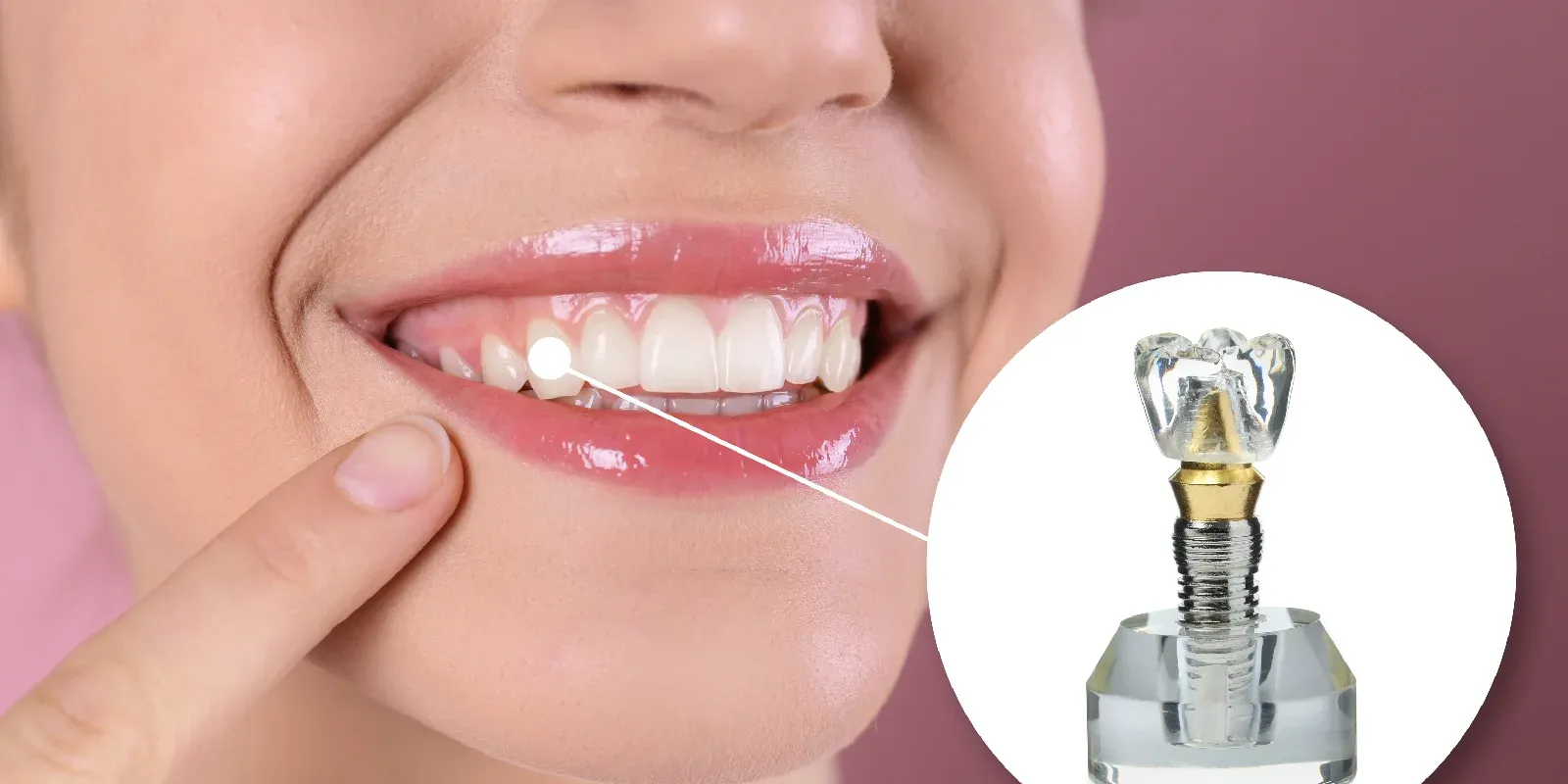
Step-by-Step Dental Implant Process Explained Simply

Dr. Sahota
Losing a tooth often starts a series of questions. Will it affect the way I eat? Will people notice when I smile? Is replacing it going to be a long or complicated process? While many people have heard that dental implants are a reliable way to replace missing teeth, they are often unsure about what the treatment actually involves. For patients exploring dental implant in Livermore, learning how the procedure works can provide greater clarity and confidence before getting started.
Rather than being completed in a single visit, dental implant treatment is a carefully planned journey designed to create a stable, long-lasting foundation for your new tooth. From the initial evaluation and personalized treatment planning to implant placement, healing, and the final restoration, each stage serves an important purpose in creating a stable, functional, and long-lasting tooth replacement. Although every patient's needs are different, understanding how these steps work together can make the experience feel more predictable, helping patients move forward with greater confidence in their treatment decisions.

Understanding The Dental Implant Process Step By Step
The dental implant process is completed in carefully planned stages, with each step building on the one before it. Rather than placing a replacement tooth in a single visit, treatment focuses on creating a stable foundation that supports long-term function, comfort, and appearance. Every patient has unique oral health needs, so the timeline and recommendations may vary depending on the condition of the gums, jawbone, and surrounding teeth.
Knowing what happens at each stage can make the experience feel more predictable and less overwhelming. From the initial evaluation and personalized treatment planning to implant placement, healing, and the final restoration, every phase has an important purpose. Understanding these steps helps patients know what to expect throughout treatment and why each part of the process contributes to a successful outcome.
Begin With A Comprehensive Dental Evaluation
The dental implant process begins with a detailed consultation and exam. The oakland dentist checks your missing tooth area, gums, nearby teeth, bite, and jawbone support. Digital imaging may also be used to understand the bone structure and plan treatment more accurately.
This step helps determine whether you are a good candidate for dental implants now or whether another dental step may be needed first. The goal is to avoid guessing and create a treatment plan based on your actual oral health.
Create A Personalized Dental Implant Treatment Plan
After the evaluation, the dentist creates a personalized implant plan. This plan may include the number of implants needed, the type of restoration, the position of the implant, and whether the area needs additional preparation. For example, a single missing tooth may need one implant and crown, while multiple missing teeth may need a bridge or implant-supported denture.
Patients considering Livermore Dental Implants can use this planning visit to ask important questions about treatment steps, healing expectations, and long-term care. The dental team may also review medical history, oral hygiene habits, and any conditions that could affect healing. Clear planning helps patients understand what happens next and why each step matters.
Implant Placement And Healing Phase
Once the treatment plan is ready, the implant is placed into the jawbone. The implant acts like an artificial tooth root and is designed to support the final restoration. Local anesthesia is typically used to help keep the area comfortable during treatment. After placement, the implant needs time to heal and connect with the surrounding bone.
During the healing phase, patients receive instructions for caring for the area. This stage is important because the implant needs a stable foundation before the final crown, bridge, or denture is attached. The healing timeline can vary depending on bone quality, overall health, and the type of restoration being planned.
Key parts of this stage may include:
- Following post-treatment instructions carefully.
- Keeping the implant area clean as directed.
- Eating softer foods during early healing if recommended.
- Attending follow-up visits so the dentist can monitor progress.
- Reporting unusual discomfort, swelling, or concerns promptly.
Allow Time for Bone Integration and Recovery
Recovery is one of the most important parts of the dental implant process. The implant needs time to become stable within the jawbone before it can support the final replacement tooth. This process helps create the foundation needed for comfortable chewing and long-term function.
Patients should not rush this step because proper healing supports better treatment outcomes. During follow-up visits, the dentist checks how the area is responding and decides when it is ready for the next stage. A temporary tooth option may sometimes be discussed depending on the case and location of the missing tooth.
Complete Your Smile With The Final Restoration
After the implant has healed, the final restoration is created and attached. This may be a crown for one missing tooth, a bridge for multiple missing teeth, or an implant-supported denture for larger tooth replacement needs. The restoration is designed to match the mouth, support chewing, and blend with the smile.
This stage is where many patients begin to notice the functional benefits of implant treatment. A stable replacement tooth can make eating feel more natural and speaking feel more comfortable. The dentist also checks the bite to make sure the replacement tooth fits properly with the upper and lower teeth. Good bite balance matters because uneven pressure can affect comfort and long-term maintenance.
“Dental implants are medical devices surgically implanted into the jaw to restore a person’s ability to chew or their appearance.”
Dental Implant Process At A Glance
| Step | What Happens | Why It Matters |
|---|---|---|
| Consultation | The dentist examines teeth, gums, bite, and the missing tooth area | Confirms whether implants may be suitable |
| Imaging | Digital X-rays or scans may reveal bone support | Helps plan implant position |
| Treatment Plan | The dentist explains the number of implants and the restoration type | Creates a personalized path |
| Implant Placement | An implant is placed into the jawbone Provides artificial root support | Provides artificial root support |
| Healing Phase | The implant connects with the surrounding bone | Builds stability for restoration |
| Final Restoration | A crown, bridge, or denture is attached | Restores appearance and function |
| Maintenance | Routine cleaning and checkups continue | Protects long-term implant health |
FAQ
Still have a Question? Contact Us
Yes, treatment usually includes consultation, planning, placement, healing, restoration, and maintenance.
Healing time varies by patient, bone support, health, and treatment complexity.
Yes, imaging helps evaluate bone support and plan accurate implant placement.
A crown, bridge, or denture may attach to the implant after healing.
Yes, implants need brushing, cleaning, exams, and healthy gums for support.
Conclusion
Choosing to replace a missing tooth is an important decision, and understanding the process can make that decision feel much less overwhelming. Dental implant treatment is carefully completed in stages, with each one building toward a secure, functional, and natural-looking result. From the first consultation and treatment planning to healing and the final restoration, every phase has a specific purpose in supporting long-term oral health.
Whether you are looking into dental implants in Livermore for a single missing tooth or considering a more comprehensive restoration, a personalized evaluation can help determine which approach best fits your oral health, needs, and goals. Knowing what to expect at each step allows you to approach treatment with greater confidence, ask informed questions, and take an active role in achieving a healthy, lasting smile.
Contact your dentist in livermore, Dr. Sahota, at One Dental Livermore today to learn more about step-by-step Dental Implant process.
Resource
Share This:
Disclaimer
This media/content or any other on this website does not prescribe, recommend, or prevent any treatment or procedure. Therefore, we highly recommend that you get the advice of a qualified dentist or other medical practitioners regarding your specific dental condition.
Discover the difference of personalized care that prioritizes your health and well-being at

Working Hours
Monday: 8:30AM - 5:30PM | Tuesday: 8:30AM - 5:30PM Wednesday: 7:40AM - 4:30PM | Thursday: 8:30AM - 5:30PM Friday: 8:30AM - 5:00PM


