New Patient Offer - Exam, X-Ray & Teeth Cleaning in Just $69


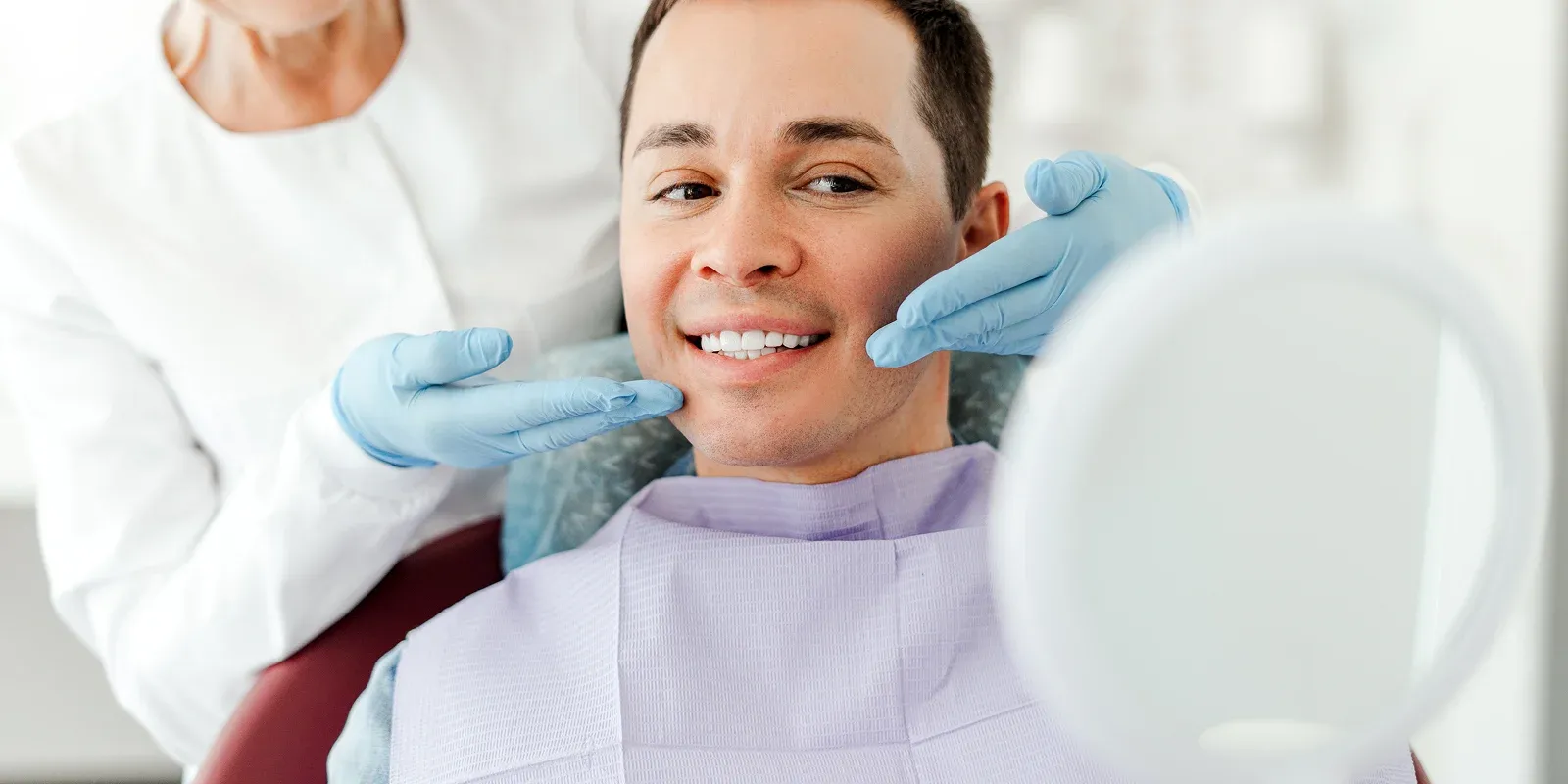
Invisalign Treatment Timeline: What Affects Duration and Outcomes?

Dr. Sahota
Introduction
For anyone dreaming of a straighter smile without brackets and wires, Invisalign has become the go-to modern orthodontic solution. These clear aligners offer discreet, comfortable treatment—but while they’re a popular choice, many patients are unsure how long the process takes or what affects their results.
Understanding the Invisalign treatment timeline and the factors that influence Invisalign outcomes can help you feel confident and prepared. From digital treatment planning to advanced 3D imaging, modern technology plays a crucial role in predicting and achieving the best possible results.
Let’s explore what shapes your journey—and how you can make your Invisalign experience as smooth and successful as possible.
Understanding the Invisalign Treatment Timeline
What to Expect from Start to Finish
An Invisalign journey typically follows a series of precise steps, all designed to gradually move your teeth into alignment while keeping you comfortable and informed.
Step 1: Initial Consultation and Assessment
Every Invisalign treatment timeline begins with a comprehensive consultation. During this visit, your orthodontist evaluates your teeth, bite, and jaw alignment to determine if Invisalign is suitable for your unique needs. They may discuss your goals, review your dental history, and take initial photos or X-rays. This step is crucial because it sets realistic expectations for your Invisalign outcomes and helps plan your treatment effectively. Patients with mild crowding or spacing may be excellent candidates for shorter treatment times, while those with complex bite issues might need a longer Invisalign duration.
Step 2: Digital Scanning and 3D Imaging
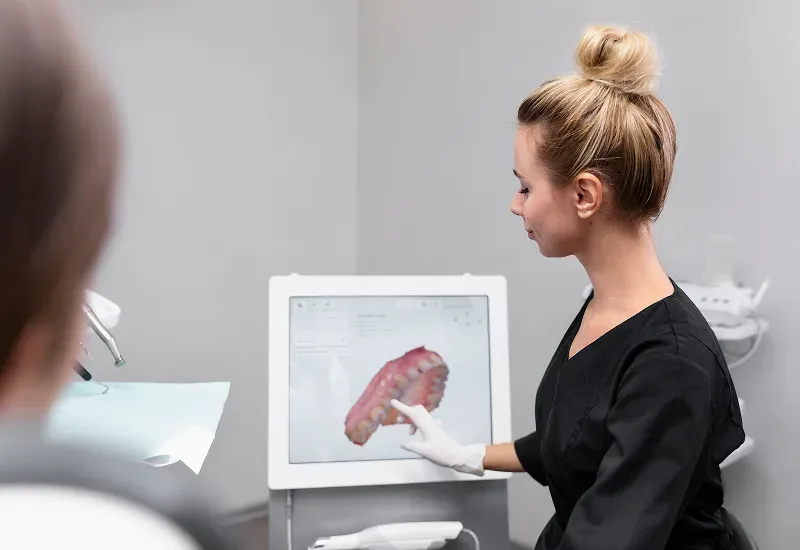
Instead of using uncomfortable molds, Invisalign treatment relies on advanced 3D imaging technology to scan your teeth quickly and precisely. This digital scan captures every contour of your mouth and creates a virtual model used for digital treatment planning. Your orthodontist will design a series of gradual tooth movements and can even show you a digital simulation of how your smile will transform over time. This modern approach not only improves comfort but ensures the aligners fit snugly, helping deliver better Invisalign outcomes and fewer surprises along the way.
Step 3: Delivery of Aligners and Progress Checkups
Once your aligners are custom-made, you’ll receive your first set along with detailed instructions. You’ll typically wear each set of aligners for one to two weeks, removing them only for eating, drinking (except water), and brushing. Regular checkups—usually every 6–8 weeks—allow your orthodontist to track your orthodontic progress and make adjustments if needed. These visits ensure your treatment stays on course and helps catch potential issues early. The typical Invisalign duration ranges from six to eighteen months, but it’s highly personalized depending on how your teeth respond to treatment and how closely you follow your aligner wear schedule.
Step 4: Completion and Retention
As you reach the end of your Invisalign treatment timeline, you’ll switch to wearing retainers to keep your teeth in their new positions. Retainers are crucial for maintaining your beautiful results, as teeth naturally try to shift back without support. Your orthodontist will guide you on how long and how often to wear them, which varies by individual. Following these instructions carefully ensures long-lasting Invisalign outcomes and protects the time and investment you’ve put into your smile transformation.
Ultimately, your journey’s length hinges on how complex your case is and how well you follow instructions.
Key Factors Affecting Invisalign Duration
1. Case Complexity
Mild crowding or spacing issues can be resolved more quickly, sometimes in just a few months. More severe cases—such as significant rotations, bite problems, or pre-existing dental issues—often require a longer Invisalign duration and potentially more aligners.
2. Patient Compliance
No matter how advanced the technology, success depends heavily on you. Consistent aligner wear time (20–22 hours per day) is non-negotiable. Skipping wear time, removing aligners for too long, or frequently forgetting them can extend treatment and affect your Invisalign outcomes.
3. Orthodontic Progress and Adaptability
Everyone’s teeth move at slightly different speeds. Some may respond quickly to the pressure applied by aligners, while others take longer to shift. Sometimes, mid-course corrections are needed to address teeth that haven’t moved as planned, influencing your orthodontic progress and adding time to your treatment.
Role of Digital Treatment Planning and 3D Imaging
Modern orthodontics is driven by innovation, and Invisalign’s use of digital treatment planning and 3D imaging is a game changer.
- Digital Treatment Planning allows orthodontists to create a step-by-step roadmap for your teeth’s movement, increasing predictability and minimizing surprises.
- 3D Imaging customizes each aligner for precise fit and movement, enhancing clear aligner effectiveness and improving Invisalign outcomes.
These technologies mean fewer adjustments, faster results, and a clearer understanding of what to expect.
How to Improve Invisalign Outcomes
Choosing Invisalign is a big step toward a healthier, more confident smile—but the success of your treatment isn’t just up to your orthodontist. How you care for your aligners and follow instructions directly impacts your Invisalign outcomes and overall clear aligner effectiveness.
Here’s how to help ensure your treatment stays on schedule and delivers the best possible results:
- Stick to the recommended wear time. For Invisalign to work properly, aligners must be worn 20 to 22 hours each day. Only remove them for meals, drinks (other than water), and brushing. Skipping hours here and there may not seem significant, but over time, it can delay your progress and extend your Invisalign treatment timeline.
- Use chewies to improve fit. Chewies are small, rubbery cylinders you gently bite on to help seat your aligners fully onto your teeth. They eliminate air gaps and ensure even pressure, which is vital for effective tooth movement.
- Attend regular checkups. Your orthodontist monitors your orthodontic progress and makes sure each stage of your treatment is going as planned. Skipping visits can lead to unnoticed issues that extend your Invisalign duration.
- Keep excellent oral hygiene. Clean teeth and aligners are crucial. Plaque or food trapped under aligners can cause cavities or gum inflammation. Brush after every meal and clean your aligners daily with gentle soap and lukewarm water to maintain both your oral health and aligner clarity.
- Communicate about any issues promptly. If your aligners feel loose, hurt more than expected, or don’t seem to fit, tell your orthodontist right away. Addressing small issues early prevents them from becoming bigger delays.
Staying committed to these best practices can dramatically improve your Invisalign outcomes, shorten your overall Invisalign duration, and help you achieve the straight, healthy smile you’re working toward.
By contrast, Invisalign treatment timelines often run shorter—typically between 6 and 18 months—especially for mild to moderate alignment issues. Patients also enjoy benefits like:
- Removable aligners for eating and brushing
- Fewer emergency visits for broken wires
- A more discreet appearance
However, Invisalign may not always be suitable for very complex cases without attachments or additional appliances, which is why an orthodontist’s evaluation is crucial.
When Treatment Takes Longer Than Expected
Sometimes, even with the best planning, treatment stretches beyond the original estimate.
Common Reasons for Delays:
- Inconsistent aligner wear time
- Missed checkup appointments
- Mid-course corrections or refinements to fine-tune your results
If you’re wondering why Invisalign is taking longer than expected, the best move is to talk with your orthodontist about how to avoid Invisalign delays and get back on track with your orthodontic progress.
Conclusion
Your journey to a straighter smile with Invisalign is a blend of advanced technology, patient dedication, and skilled care. From the initial scan using 3D imaging to the day you remove your final aligner, many factors shape your unique Invisalign treatment timeline and Invisalign outcomes.
By understanding what influences Invisalign duration, sticking to your aligner schedule, and partnering with a provider who embraces digital treatment planning, you’ll set yourself up for a smooth, efficient, and satisfying transformation.
If you’re considering clear aligners, book a consultation with an experienced orthodontist who uses the latest technology for precise, personalized care—and start your journey toward the smile you deserve.
Contact your dentist today in Oakland, Dr. Sahota, at One Dental Livermore, to learn more about Invisalign Treatment Timeline: What Affects Duration and Outcomes?
Resource:
Share This:
Disclaimer
This media/content or any other on this website does not prescribe, recommend, or prevent any treatment or procedure. Therefore, we highly recommend that you get the advice of a qualified dentist or other medical practitioners regarding your specific dental condition.
Discover the difference of personalized care that prioritizes your health and well-being at

Working Hours
Monday: 8:30AM - 5:30PM | Tuesday: 8:30AM - 5:30PM Wednesday: 7:40AM - 4:30PM | Thursday: 8:30AM - 5:30PM Friday: 8:30AM - 5:00PM


