New Patient Offer - Exam, X-Ray & Teeth Cleaning in Just $69


Invisalign for Teens vs. Adults: What’s the Difference in Treatment Approach?

Dr. Sahota
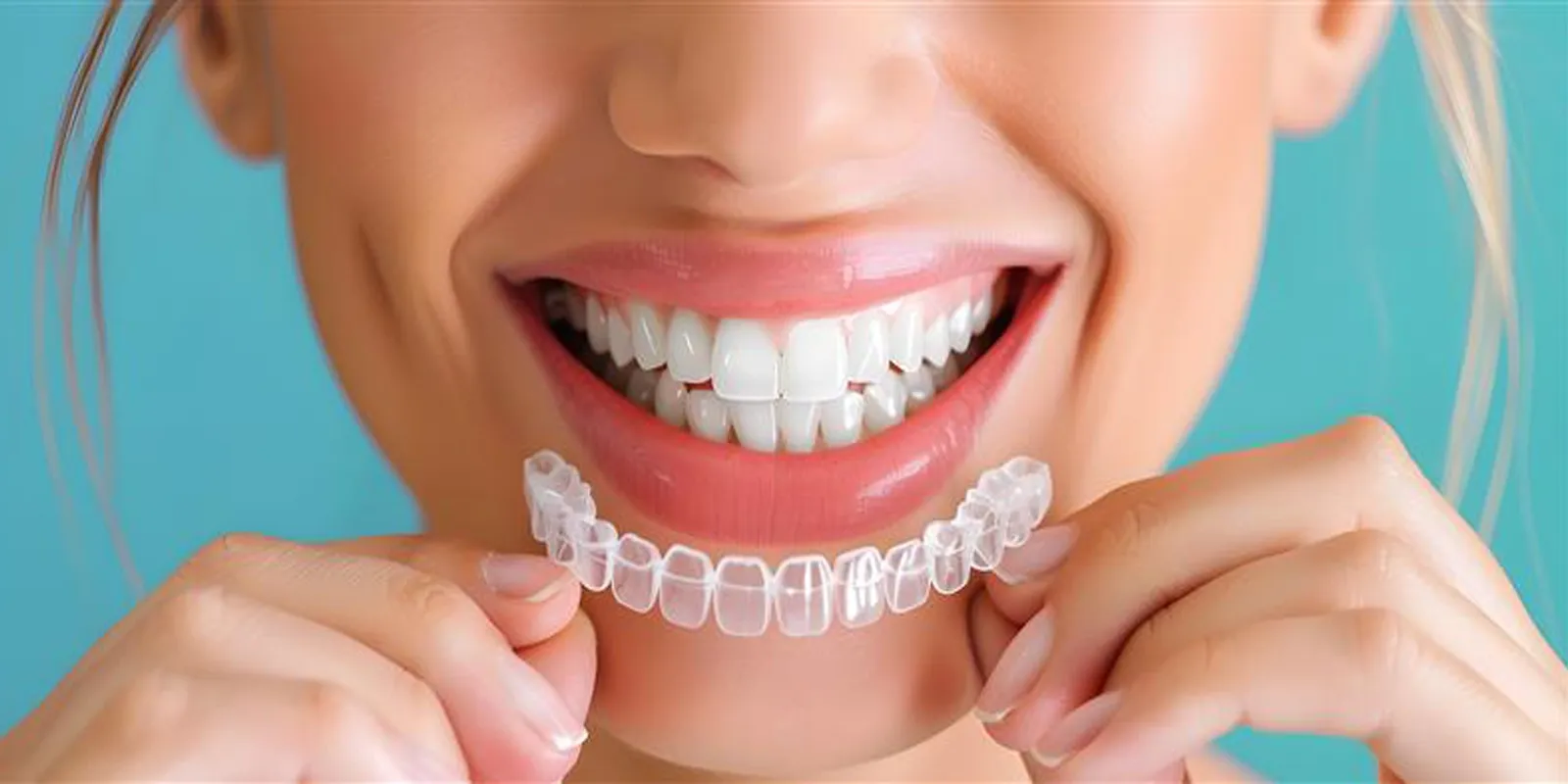
When it comes to orthodontic care, patients often wonder how treatment may differ depending on age. Clear aligners, including Invisalign for teens and Invisalign for adults, have become popular options because they offer a discreet and effective way to correct misaligned teeth. While the basic technology behind aligners is the same, the treatment approach is influenced by age-specific treatment needs, individual orthodontic goals, and stages of dental development.
Understanding these differences is important for both teenagers starting their orthodontic journey and adults who may be seeking correction later in life.
Invisalign for Teens: Focus on Growth and Development
The key factor in Invisalign for teens is that their mouths are still developing. During adolescence, teeth and jaws are not yet fully formed, which means treatment must be planned with dental development in mind. Clear aligners for teenagers are designed with features that accommodate these changes.
For example, aligners for younger patients may include eruption tabs that allow space for incoming teeth. This ensures that orthodontic correction happens alongside natural growth, rather than interfering with it. The aligner features for teens are specifically tailored to guide developing teeth into proper alignment while keeping comfort and flexibility in mind.
Teen patients also have different orthodontic goals compared to adults. Many seek aligners primarily for aesthetic reasons, wanting a more confident smile during school years, but treatment also supports proper bite function and long-term oral health.
Invisalign for Adults: Stability and Precision
In contrast, Invisalign for adults focuses less on ongoing growth and more on long-term stability. Adults have fully developed jaws and teeth, which allows aligners to work within a stable framework. This often leads to highly precise movements of teeth and predictable results.
Adult patients may also bring unique challenges, such as previous dental work, crowding that has worsened over time, or bite changes related to aging. Because their orthodontic goals may extend beyond appearance to include improved comfort or correction of long-standing issues, the treatment plan must be carefully customized.
For many adults, clear aligners are appealing because they allow orthodontic correction without drawing attention. The discreet look of aligners fits seamlessly into professional and social settings, making them a practical choice for older patients.
Age-Specific Treatment Approaches
The difference between Invisalign for teens and Invisalign for adults lies in how orthodontists account for age-specific treatment needs. For teens, flexibility and growth are central. Aligners must adapt to ongoing dental development while still delivering effective results. In some cases, compliance indicators are included in teen aligners to ensure they are being worn as directed, since younger patients may need more accountability.
Adults, on the other hand, often have different considerations. For example, gum health and bone density may affect how quickly teeth respond to aligners. Their treatment approach focuses on precision, long-term bite correction, and maintaining dental health around existing restorations. Both age groups benefit from the same core technology, but the path to achieving their orthodontic goals looks different.
Comparing Aligner Features for Teens and Adults
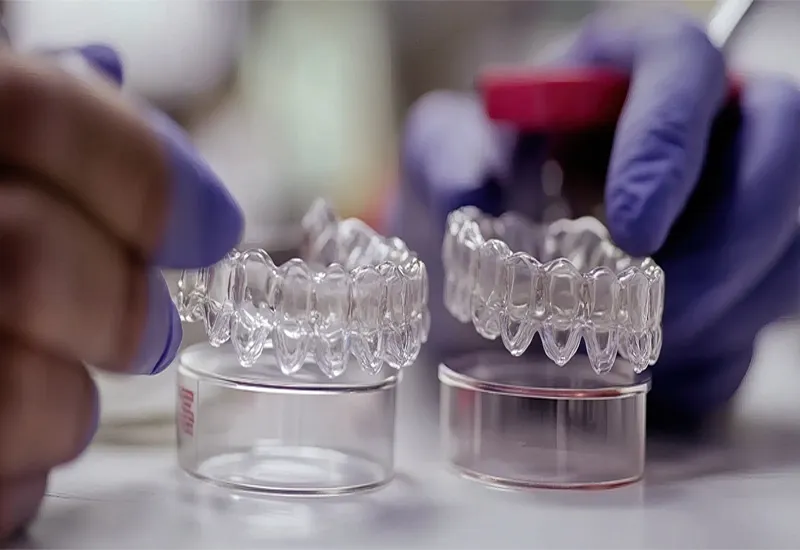
While both groups use clear aligners, the aligner features differ in subtle but important ways. Teen aligners are often designed to leave room for erupting teeth, while adult aligners concentrate on making precise, controlled adjustments to an already developed dentition.
For teens, aligners may be slightly more forgiving to accommodate growth-related changes, while adults benefit from a stronger emphasis on detailed tooth movement. This difference highlights how Invisalign for teens and Invisalign for adults adapt the same technology to serve two very different life stages.
Orthodontic Goals: Teens vs. Adults
The orthodontic goals of teens and adults often overlap but can also differ significantly. For teenagers, goals are often centered on aesthetics, self-confidence, and ensuring proper alignment during a crucial stage of dental development. Straightening teeth early can also prevent more complex issues from arising later.
For adults, goals may be more comprehensive. Many adults seek aligners not only for cosmetic reasons but also to resolve issues like jaw discomfort, uneven wear on teeth, or changes in bite that have developed over time. By addressing these concerns, Invisalign for adults can contribute to improved oral health as well as a more attractive smile.
Dental Development and Treatment Timing
One of the most significant differences between Invisalign for teens and Invisalign for adults is related to timing. Teenagers are in a stage of rapid dental development, which means orthodontists can sometimes guide teeth more efficiently as they emerge and settle into place. Aligners are adjusted to work with this growth, reducing the risk of long-term misalignment.
Adults, however, do not benefit from growth-related flexibility. Their treatment may take longer if complex corrections are needed, but it also tends to be highly stable once completed. The fixed nature of adult dentition allows for very precise planning, ensuring aligners target specific movements with accuracy.
Emotional and Lifestyle Considerations
Beyond the physical differences, the experience of Invisalign for teens versus Invisalign for adults also differs emotionally. Teenagers may need encouragement to stay consistent with wearing their aligners and may worry about appearance at school or social events. The invisible nature of aligners supports their confidence during a stage where self-image is especially important.
Adults often have a different perspective. They may feel motivated by long-standing dissatisfaction with their smile or functional issues. Clear aligners provide a solution that fits their busy lifestyles, avoiding the disruption of traditional braces while still achieving their orthodontic goals.
Treatment Duration: Teens vs. Adults
Another important difference between Invisalign for teens and Invisalign for adults is how long the process takes. Because teenagers are still in active stages of dental development, their teeth often respond more quickly to the gentle forces of clear aligners. This can sometimes shorten the overall timeline, especially when treatment is started early.
For adults, the treatment approach may take longer due to factors such as denser bone structure, existing dental restorations, or the need for more complex bite correction. While both groups can achieve excellent results, recognizing how age-specific treatment affects duration helps set realistic expectations.
Conclusion
The choice between Invisalign for teens and Invisalign for adults does not come down to one being better than the other, but rather to how each treatment is tailored for unique stages of life. Teen aligners are designed to support ongoing dental development, encourage compliance, and achieve early correction of issues. Adult aligners, by contrast, focus on precision, stability, and long-term bite health. Both approaches share the same goal: achieving healthier, straighter teeth and a confident smile.
Understanding these distinctions helps patients and families make informed decisions about orthodontic care. Whether guided by growth or long-term stability, clear aligners remain a reliable path toward achieving personalized orthodontic goals.
Resource:
Can Invisalign Fix Your Dental Issues? Common Problems That Invisalign Can Treat
Share This:
Disclaimer
This media/content or any other on this website does not prescribe, recommend, or prevent any treatment or procedure. Therefore, we highly recommend that you get the advice of a qualified dentist or other medical practitioners regarding your specific dental condition.
Discover the difference of personalized care that prioritizes your health and well-being at

Working Hours
Monday: 8:30AM - 5:30PM | Tuesday: 8:30AM - 5:30PM Wednesday: 7:40AM - 4:30PM | Thursday: 8:30AM - 5:30PM Friday: 8:30AM - 5:00PM


