New Patient Offer - Exam, X-Ray & Teeth Cleaning in Just $69


Different Types of Dental Crowns and Their Benefits
by
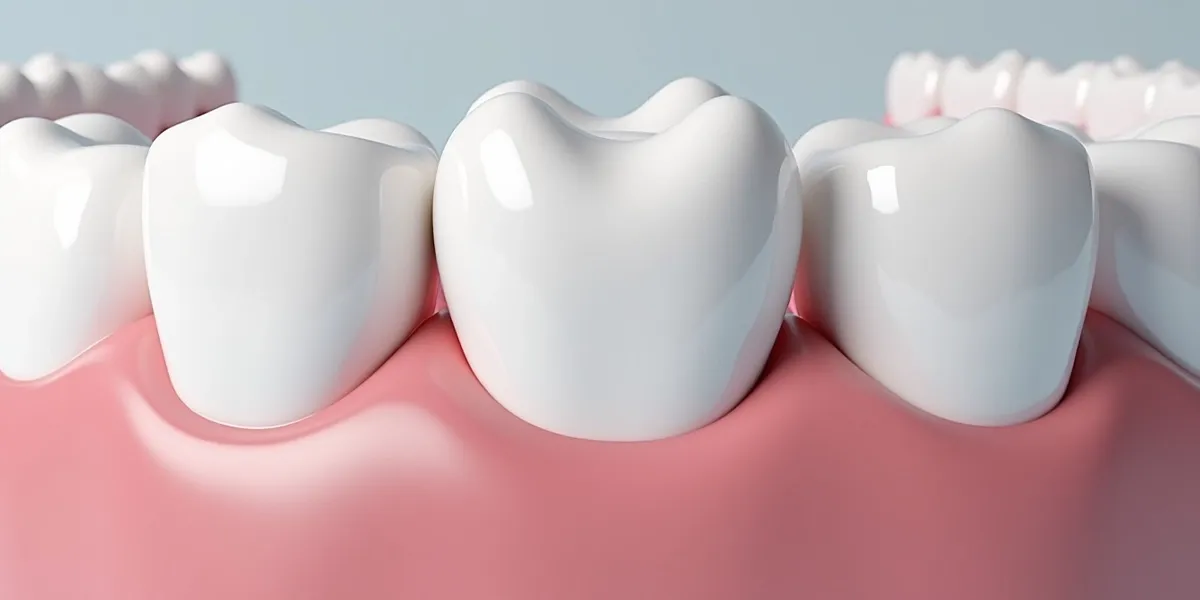
A dental crown is a custom-made cap that covers a damaged or weakened tooth to restore its strength, shape, and natural appearance. Dentists often recommend crowns after large fillings or root canal treatments to protect the remaining tooth structure. With so many options available, patients often wonder which crown is best for their smile.
Understanding the types of dental crowns and how each one works helps in making an informed decision. From porcelain vs metal crowns to newer materials like zirconia and E.max crowns, each offers unique advantages depending on function, aesthetics, and durability.
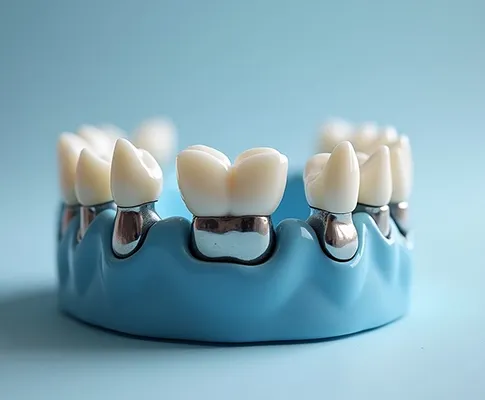
What is Porcelain Fused to Metal Crowns
One of the most used crowns for decades has been the porcelain-fused-to-metal (PFM) crown. It combines the durability of metal with the natural look of porcelain, making it a popular choice for both front and back teeth.
The metal base provides excellent strength and support, while the porcelain coating mimics the color and translucency of natural enamel. However, over time, the metal underneath may sometimes create a faint gray line near the gum line, especially if the gums recede.
Patients comparing porcelain vs metal crowns often find PFM crowns a practical balance between strength and appearance. They remain a reliable option for those who want durability without fully sacrificing aesthetics.
Comparing the Benefits of Different Dental Crowns
Each type of crown offers its own unique advantages. Zirconia crowns are known for exceptional strength, E.max crowns for superior aesthetics, and PFM crowns for balanced performance. Gold crowns stand out for their endurance, while full porcelain crowns excel in providing the most natural appearance.
Patients often compare the benefits of different dental crowns based on three main factors: appearance, durability, and cost. Ceramic crowns offer high-end aesthetics, metal crowns ensure long-term reliability, and hybrid options like porcelain-fused-to-metal provide a combination of both.
What are Zirconia Crowns
Among all types of dental crowns, zirconia crowns stand out as one of the most advanced solutions. Made from zirconium dioxide, a highly durable ceramic, these crowns combine exceptional strength with pleasing aesthetics.
Zirconia is often used when patients need long-lasting restorations that can withstand heavy biting forces. They are particularly suitable for molars where durability matters most.
One major advantage is their versatility. Modern dental labs can create monolithic zirconia crowns for full strength or layered versions that enhance translucency for better aesthetics. Because zirconia is metal-free, it is also a good option for patients with metal sensitivities.
In a dental crown material comparison, zirconia crowns consistently rank high for their durability, precision fit, and biocompatibility, making them one of the most preferred restorative options available today.
Gold Crowns
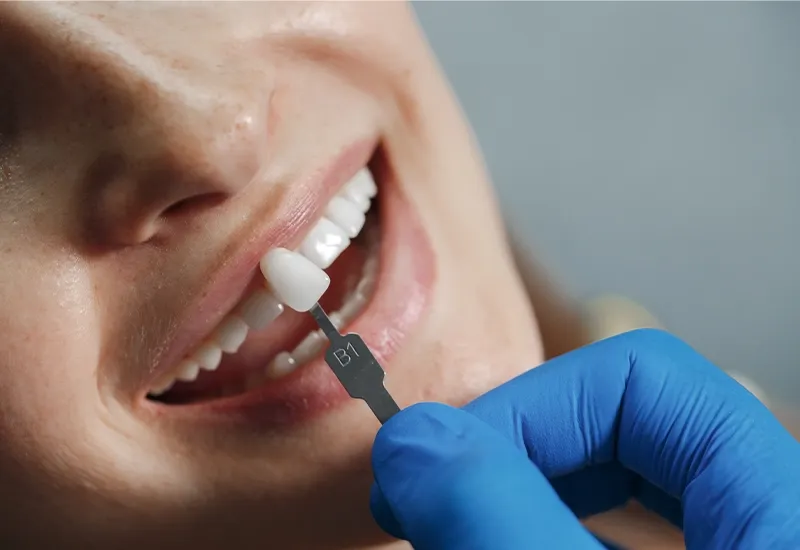
Gold crowns and gold alloy restorations still have a loyal following among dental professionals. Their strength, longevity, and gentle interaction with opposing teeth make them an excellent choice for molars or areas not visible when smiling.
Metal alloys, especially gold-based ones, resist chipping and corrosion better than most materials. They also require minimal removal of natural tooth structure during placement. Despite their metallic color, gold crowns remain one of the most reliable and time-tested types of crowns for teeth.
When patients discuss the pros and cons of dental crowns, gold often comes up as a superior option for those who value function and longevity over aesthetics. It has been used for over a century and continues to perform exceptionally well even after decades of wear.
Porcelain vs Metal Crowns
The porcelain vs metal crowns debate often depends on where the crown will be placed and what matters most to the patient. Metal-based crowns such as gold or PFM crowns excel in strength and are ideal for molars. On the other hand, porcelain and ceramic crowns offer better aesthetics for front teeth.
When deciding on the best dental crown material, dentists consider several factors including bite force, tooth location, color matching, and patient preferences. Those who want a natural look typically choose E.max crowns or zirconia crowns, while those who need maximum durability might prefer metal alloys.
The dental crown material comparison also involves checking for metal allergies, gum sensitivity, and restoration longevity. A skilled dentist will help find a balance between function, comfort, and appearance so that the crown blends seamlessly into the natural smile.
The Role of Dental Labs in Crown Customization
Every dental crown is unique because it is crafted from a patient’s mouth impressions and specific tooth shape. Dental labs play a vital role in this customization, using advanced digital scanning and computer-aided design for unmatched accuracy. Patients looking for a dental crown in Livermore can benefit from this precision-driven approach, ensuring a restoration that blends seamlessly with natural teeth.
Modern dental implant labs in livermore also assist in creating restorations implant,, using materials such as zirconia, E.max, porcelain-fused-to-metal (PFM), and gold alloy. With expert layering and milling techniques, these crowns achieve natural enamel-like texture, color, and comfort.
FAQs
1. Which type of dental crown lasts the longest?
Zirconia and gold crowns are known for their exceptional durability. With proper care, they can last 15 to 20 years or even longer, making them ideal for back teeth that handle heavy chewing.
2. Are porcelain crowns better than metal crowns?
Porcelain crowns are more aesthetic and natural-looking, while metal crowns offer more strength and longevity. The best option depends on the tooth’s location and your personal preferences for appearance versus durability.
3. How do I know which crown material is right for me?
Your dentist will consider your bite, tooth position, gum health, and budget before recommending the most suitable material whether it’s zirconia, E.max, porcelain-fused-to-metal, or gold alloy. If you’re planning to get a dental crown in Livermore, your dentist will guide you toward the best option that matches both your needs and smile aesthetics.

"Every crown tells a story of strength, beauty, and precision — the right material makes all the difference."
Conclusion
Choosing the right dental crown can make a lasting difference in both comfort and confidence. Whether you are drawn to the natural shine of E.max crowns, the unbeatable strength of zirconia crowns, or the timeless reliability of gold crowns, the decision should align with your dental needs and lifestyle.
Understanding the pros and cons of dental crowns and comparing porcelain vs metal crowns will help you choose the best dental crown material for long-term oral health.
If you are exploring types of crowns for teeth, whether you’re considering a dental implant in Livermore or simply looking to improve your smile, an informed discussion ensures that your crown not only restores function but also enhances your smile for years to come
Resource:
Veneers vs. Crowns: Which Cosmetic Dental Treatment is Right for You?
Share This:
Disclaimer
This media/content or any other on this website does not prescribe, recommend, or prevent any treatment or procedure. Therefore, we highly recommend that you get the advice of a qualified dentist or other medical practitioners regarding your specific dental condition.
Discover the difference of personalized care that prioritizes your health and well-being at

Working Hours
Monday: 8:30AM - 5:30PM | Tuesday: 8:30AM - 5:30PM Wednesday: 7:40AM - 4:30PM | Thursday: 8:30AM - 5:30PM Friday: 8:30AM - 5:00PM


