New Patient Offer - Exam, X-Ray & Teeth Cleaning in Just $69


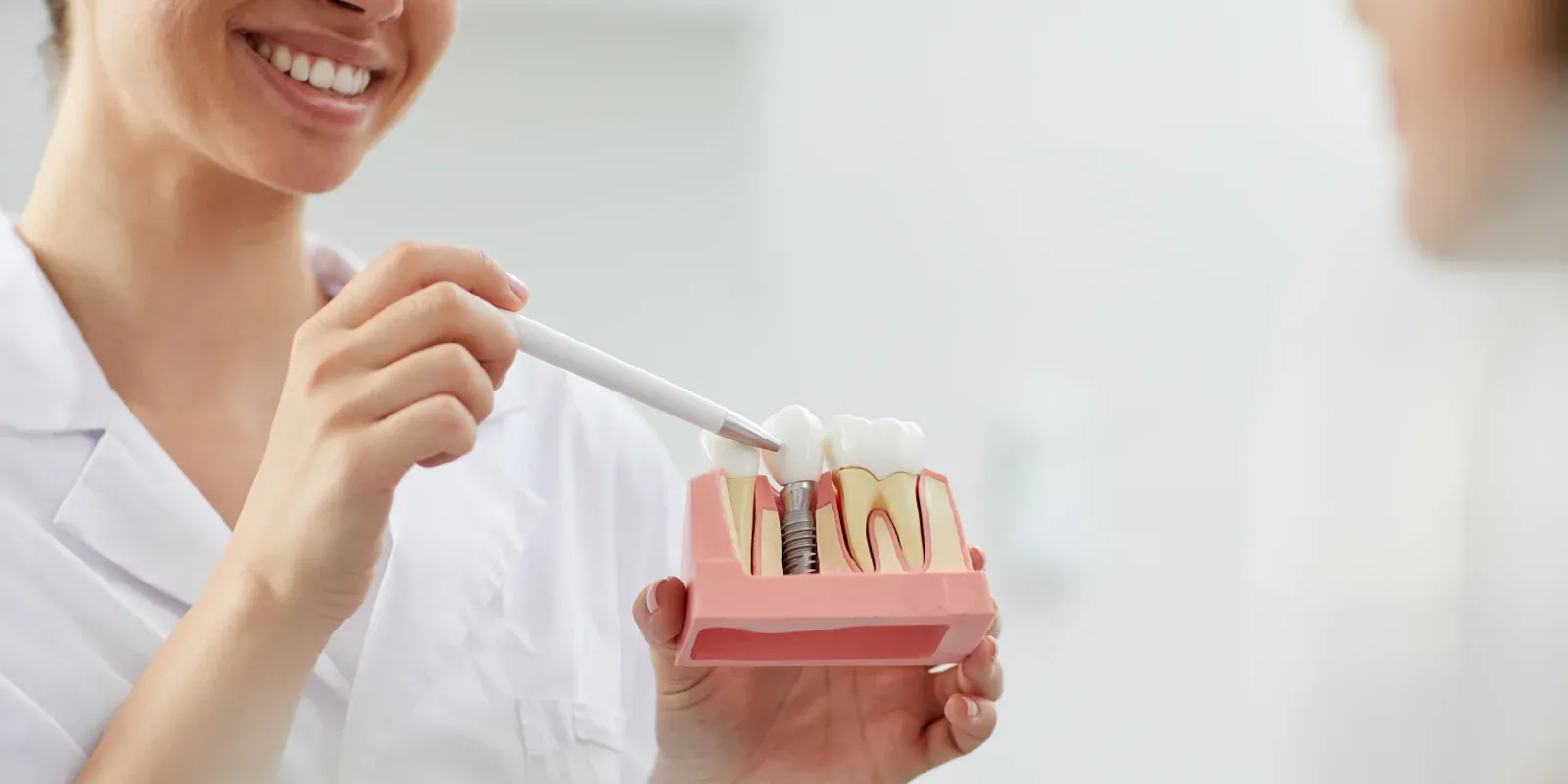
Common Myths About Dental Implants Patients Should Know

Dr. Sahota
Imagine someone who has lived with a missing tooth for several years. They have considered replacing it, but every conversation seems to bring another concern: implants are extremely painful, the procedure takes forever, implants look artificial, or they are only suitable for younger adults. Eventually, uncertainty becomes the biggest reason for delaying a dental consultation.
Dental implants in Livermore are widely used to replace missing teeth, yet misconceptions can make the treatment seem more intimidating than it actually is. Understanding the difference between common myths and clinical facts helps patients ask better questions and make informed decisions. Implant treatment still requires careful evaluation, planning, healing, and maintenance, but many commonly repeated assumptions do not tell the complete story.
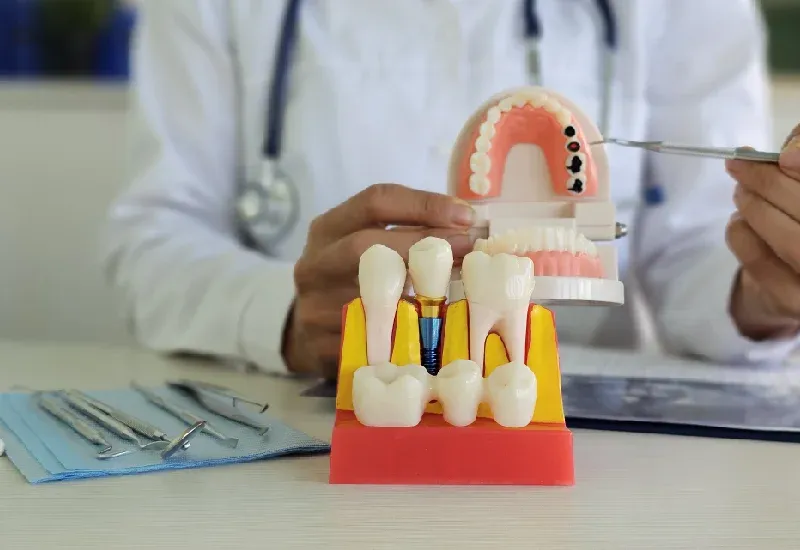
Why Dental Implant Myths Can Create Unnecessary Worry
Patients often hear implant information from friends, relatives, social media, or outdated experiences. While personal stories can be useful, one person's experience does not determine what another patient should expect. Implant treatment varies according to bone support, gum health, the number of missing teeth, and individual treatment needs.
Modern implant dentistry also involves detailed evaluation and planning before treatment begins. Dental imaging can help evaluate bone structure and determine whether an implant may be appropriate. Understanding this planning process can replace uncertainty with realistic expectations about treatment.
The best approach is to discuss concerns directly with a dental professional instead of allowing myths to determine a healthcare decision. Below are some of the most common misconceptions patients hear about dental implants.
Myth One: Dental Implants Are Extremely Painful
The idea that implant treatment always involves severe pain is one of the most common misconceptions. Implant placement is a surgical procedure, so some tenderness, swelling, or discomfort can occur during recovery. However, local anesthesia is commonly used during placement, and the recovery experience varies among patients. The complexity of treatment, number of implants, and whether additional procedures are required can all influence recovery. Instead of assuming the procedure will be extremely painful, patients should ask what to expect in their individual case and how post-treatment discomfort is typically managed. Understanding the difference between expected temporary soreness and unusual symptoms can also make recovery less stressful. Patients considering Livermore dental implants should receive personalized information about the procedure and healing process before making a treatment decision.
Myth Two: Implants Are Only For Younger Adults
Age alone does not automatically determine whether someone can receive dental implants. What matters more is the condition of the mouth, supporting bone, gums, overall health, and ability to heal. Older adults who have lost teeth may still be considered for implants after an appropriate evaluation.
Rather than asking whether someone is “too old” for implants, a more useful question is whether their oral and general health can support treatment. A Livermore dentist can review medical history, medications, jawbone condition, and gum health before discussing candidacy. This individualized approach is more meaningful than making decisions based only on age.
Myth Three: Dental Implants Look Artificial
A visible replacement tooth that does not blend with the smile is understandably a concern for many patients. However, the implant itself usually sits below the gumline and serves as the foundation for the restoration. The visible portion may be a customized crown, bridge, or implant-supported restoration designed around the patient's mouth and neighboring teeth.
Several details contribute to a natural-looking result:
- Tooth shade: The restoration can be selected to coordinate with surrounding natural teeth.
- Shape and proportion: The replacement should complement the patient's existing smile and bite.
- Position: Careful planning helps determine an appropriate implant and restoration position.
- Gum appearance: Healthy surrounding tissues contribute to a more natural transition.
- Bite relationship: Function and appearance are considered together when designing the restoration.
Natural-looking results depend on proper planning rather than the implant simply being placed into an empty space.
Myth Four: Implants Do Not Need Maintenance
Because dental implants cannot develop cavities in the same way natural teeth can, some patients assume they require little or no maintenance. That is incorrect. The gum and bone surrounding an implant remain living tissues that need to stay healthy. Plaque accumulation around the implant can contribute to inflammation, making consistent oral hygiene important.
Daily care generally includes brushing and cleaning around the implant restoration, including areas a regular toothbrush may not reach effectively. Depending on the restoration, a dental professional may recommend floss, interdental brushes, or other cleaning methods. Routine dental examinations are also important because they allow the implant, restoration, bite, gums, and surrounding bone to be monitored over time.
Good implant maintenance also means paying attention to changes. Persistent bleeding, swelling, discomfort, or movement should not simply be ignored. Long-term implant success depends on appropriate treatment planning followed by consistent home care and professional monitoring.
Myth Five: Implant Treatment Is Always The Same
Livermore Dental implant treatment is not a one-size-fits-all procedure. A patient replacing one missing tooth may have a very different treatment plan from someone replacing several teeth or stabilizing a full-arch restoration. Bone quantity, gum health, bite forces, the location of missing teeth, and overall health can all influence the recommended approach. Some patients may be ready for implant placement, while others may require additional preparation before treatment can move forward.
The timeline can also differ significantly. Implant treatment commonly includes evaluation, planning, placement, healing, and restoration, but the duration of each stage depends on the individual case. This is why comparisons with another person's implant experience can be misleading. Two patients may both receive implants but follow different treatment paths.
“Dental implants are medical devices surgically implanted into the jaw to restore a person's ability to chew or their appearance.”
Dental Implant Myths Vs Facts
| Common Myth | What Patients Should Know |
|---|---|
| Implants are always extremely painful | Temporary discomfort may occur, but experiences vary and anesthesia is used during placement. |
| Older adults cannot receive implants | Age alone does not determine candidacy. |
| Implants always look artificial | The visible restoration can be customized to complement surrounding teeth. |
| Implants require no cleaning | Healthy gums and daily plaque removal remain essential. |
| Every implant takes the same time | Treatment timelines vary according to individual needs. |
| Implants work for everyone | Candidacy requires professional evaluation. |
FAQ
Still have a Question? Contact Us
Some temporary discomfort may occur, but anesthesia and individualized recovery guidance help patients manage the treatment experience.
Yes, age alone is not the deciding factor; oral health, bone support, and overall health are more important.
Implant restorations can be customized in shade, shape, and proportion to coordinate naturally with surrounding teeth.
They require consistent brushing and interdental cleaning, although recommended tools can vary according to the restoration.
No. Gum health, bone support, medical history, and other individual factors must be evaluated before treatment.
Conclusion
Dental implant myths can make tooth replacement seem more complicated or intimidating than necessary. Implants are not automatically extremely painful, limited to younger patients, maintenance-free, or identical for everyone. Their success depends on careful evaluation, individualized planning, healthy supporting tissues, proper healing, and consistent long-term care. Understanding these facts allows patients to approach implant treatment with realistic expectations rather than assumptions.
Contact your dentist in Livermore, Dr. Sahota, at One Dental Livermore today to learn to learn whether dental implants are thry appropriate for you.
Resource
Share This:
Disclaimer
This media/content or any other on this website does not prescribe, recommend, or prevent any treatment or procedure. Therefore, we highly recommend that you get the advice of a qualified dentist or other medical practitioners regarding your specific dental condition.
Discover the difference of personalized care that prioritizes your health and well-being at

Working Hours
Monday: 8:30AM - 5:30PM | Tuesday: 8:30AM - 5:30PM Wednesday: 7:40AM - 4:30PM | Thursday: 8:30AM - 5:30PM Friday: 8:30AM - 5:00PM


